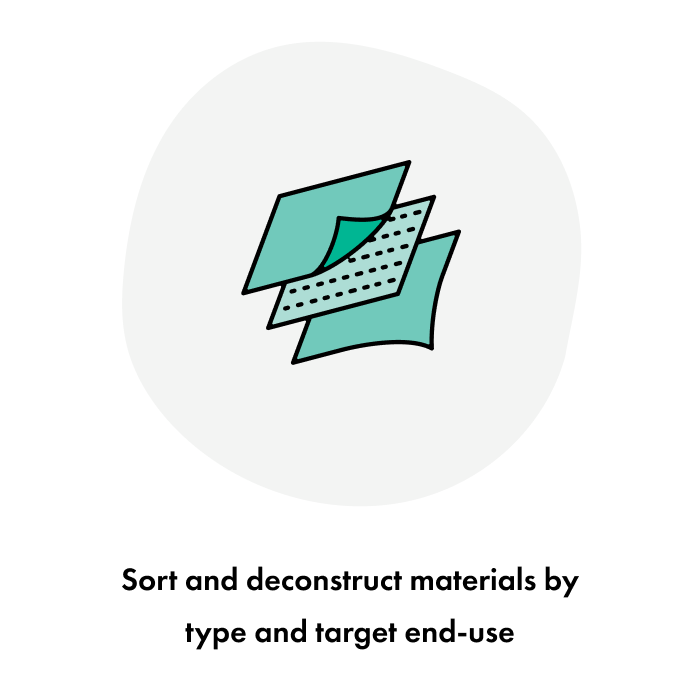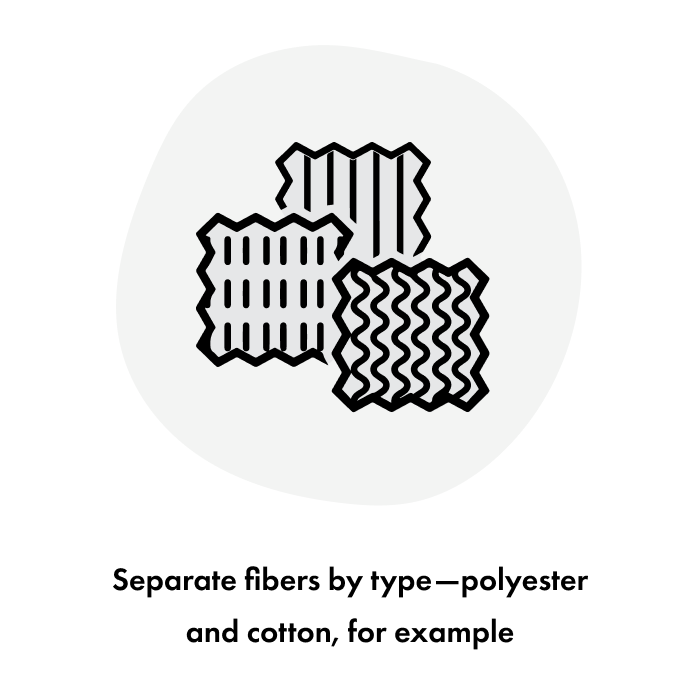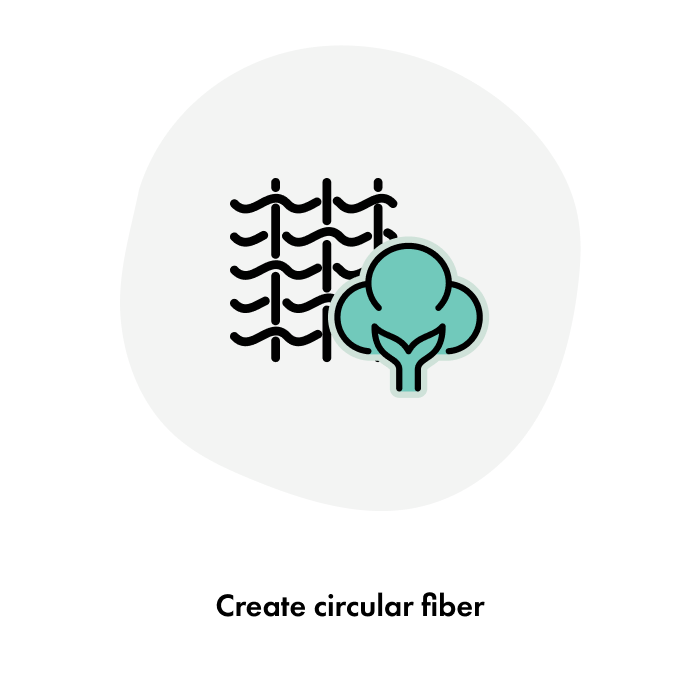
Recycling textiles helps reduce waste, save resources, and lessen the environmental impact of fashion. By turning old fabrics into new materials, we keep these items out of landfills and reduce the need for new materials like cotton and synthetic fibers. The aim is to create a circular economy where textiles are reused, which lowers the industry’s carbon footprint and encourages sustainable practices. Textile recycling also inspires new ideas, promotes responsible manufacturing and shopping, and supports a future with less waste.
We address textile waste through advanced sustainable methods for textile recycling designed to eliminate landfill impact. Our scalable processes help companies reduce waste while increasing the integration of recycled fibers into their supply chains. By converting discarded textiles into feedstock for new products, Looptworks enables a circular approach to textile production.
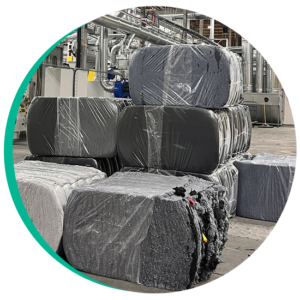
The rise of fast fashion has increased production and consumption of low-cost, short-lived clothing, accelerating waste generation.
Recycling textiles can create jobs in sorting, processing, and repurposing industries while saving costs associated with waste management.
Recycling textiles reduces the carbon footprint associated with manufacturing new fabrics and disposing of old ones.
Non-renewable resources like petroleum (used in synthetic fibers) and limited arable land for cotton production make recycling essential to preserve these materials.
Recycling textiles supports a circular economy by extending the life of materials and reducing dependency on linear “take-make-waste” models. By embracing textile recycling, we can significantly reduce waste, conserve resources, and promote a sustainable future.
Whether your excess textiles are high-quality or low-quality, Looptworks offers tailored solutions to keep them out of landfills. Let’s create a plan to turn your textile waste into a circular resource, transforming it into valuable materials for new products and advancing sustainability.
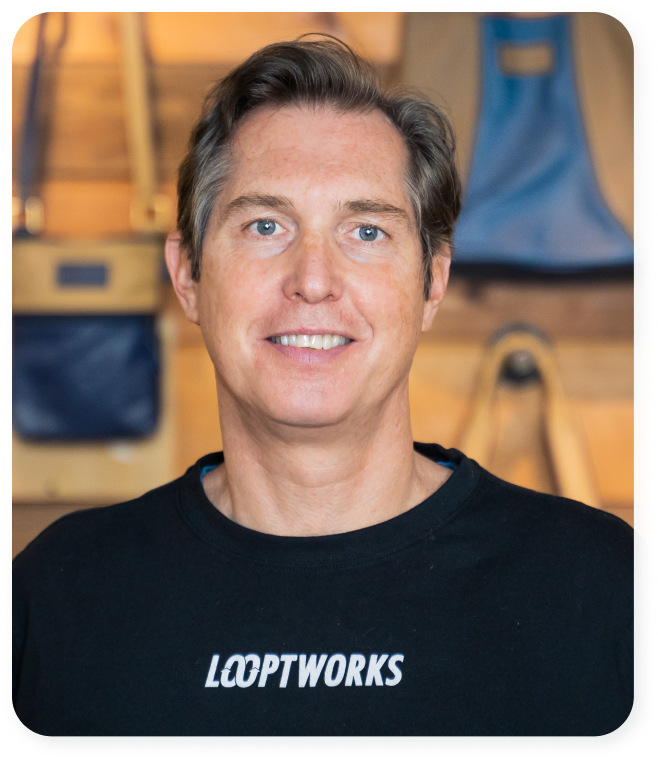
Scott is a visionary leader with more than 32 years of experience in strategic branding, innovative product creation, supply chain sustainability, and sales and marketing for global organizations. He founded Looptworks in 2009 as an industry solution for turning excess materials into upcycled consumer products. In 2022, Scott transitioned the company to a B2B business model focused on eliminating global textile waste through closed-loop solutions.
Scott is a visionary leader with more than 32 years of experience in strategic branding, innovative product creation, supply chain sustainability, and sales and marketing for global organizations. He founded Looptworks in 2009 as an industry solution for turning excess materials into upcycled consumer products. In 2022, Scott transitioned the company to a B2B business model focused on eliminating global textile waste through closed-loop solutions.