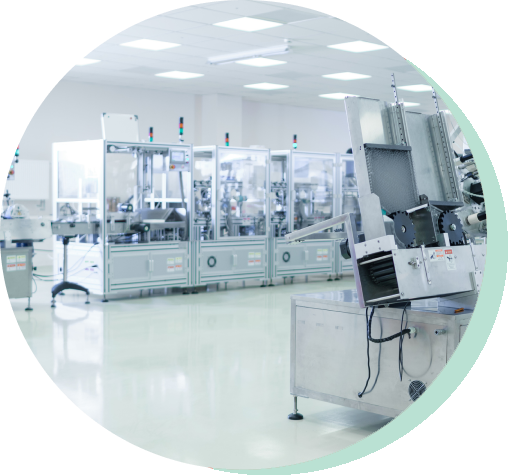
Looptworks supplies high-quality recycled nonwoven fiber for manufacturers across a range of industries. At our facility in Gresham, Oregon, we transform pre- and post-consumer textiles into Loopt™ Fiber for insulation, insulated packaging, pet products, and other applications. Through textile downcycling, we give existing materials a productive next use.
Not every textile needs to become a new garment to have a second life. At Looptworks, we transform excess textiles into high-quality recycled fiber for durable products and everyday applications.
Our proprietary technology of elongated mechanical recycling allows us to process natural, synthetic, and blended materials. As a result, manufacturers can source recycled fiber suited to their specific production needs.
We work directly with customers to understand their material requirements, quantities, and intended applications.
Real-World Applications for Recycled Nonwoven Fiber
Loopt™ Fiber is already finding new life in products across different industries. From insulated packaging to building insulation and pet products, these applications demonstrate the versatility of recycled textiles.
Insulated Packaging for Fresh Food Deliveries
Looptworks partners with Hempitecture to turn recycled textiles into durable, functional products. One application includes insulated cold packs used in fresh food deliveries.
Through this partnership, recovered textiles become raw materials for new products. This demonstrates how recycled fiber can serve applications beyond traditional textile manufacturing.
Pet Bed Filling
In an ongoing recycling program, a major retailer sends Looptworks its branded employee uniform vests. We transform these materials into recycled fiber used as filling for pet beds, which are then sold in the retailer’s stores.
This closed-loop approach gives the company’s uniforms a new purpose while creating a recycled material supply for its own products.
Denim Insulation
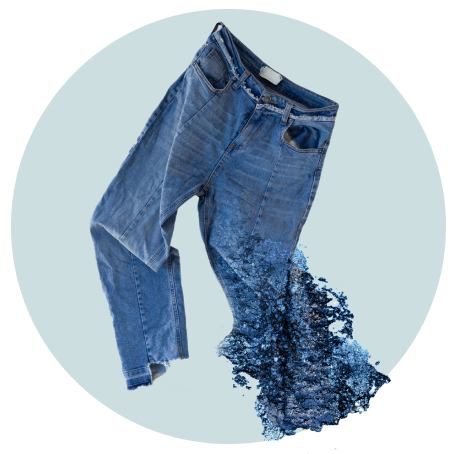
Discarded denim can become a resource for insulation manufacturing. By recycling denim into usable fiber, we help extend the life of cotton materials beyond their original purpose.
A Practical Approach to Textile Downcycling
Downcycling is an important part of textile circularity. While some recycled fibers can return to yarn spinning, others are better suited to nonwoven products.
At Looptworks, we evaluate materials based on their composition, condition, and potential applications. Then, through our proprietary recycling process, we prepare fiber for its next manufacturing use.
The goal is simple: keep textile resources in productive use for as long as possible.
Why Downcycling Matters
Textile circularity requires more than one recycling pathway. In fact, many recovered materials can serve useful purposes outside apparel manufacturing.
Nonwoven applications offer opportunities to extend the useful life of recycled textiles. Products such as insulation, packaging components, and cushioning materials can keep recovered fiber in use long after its original purpose has ended.
By supporting these applications, Looptworks helps manufacturers reduce their reliance on virgin materials and make better use of existing resources.
Source Recycled Nonwoven Fiber
Looking for recycled fiber for your next manufacturing project?
Looptworks supplies recycled nonwoven fiber made in the USA. Whether you’re developing a new product or exploring alternative raw materials, our team can help evaluate your requirements.
Tell us about your application, material specifications, and volume needs.
Downcycling typically involves breaking down waste materials into smaller components via mechanical separation.
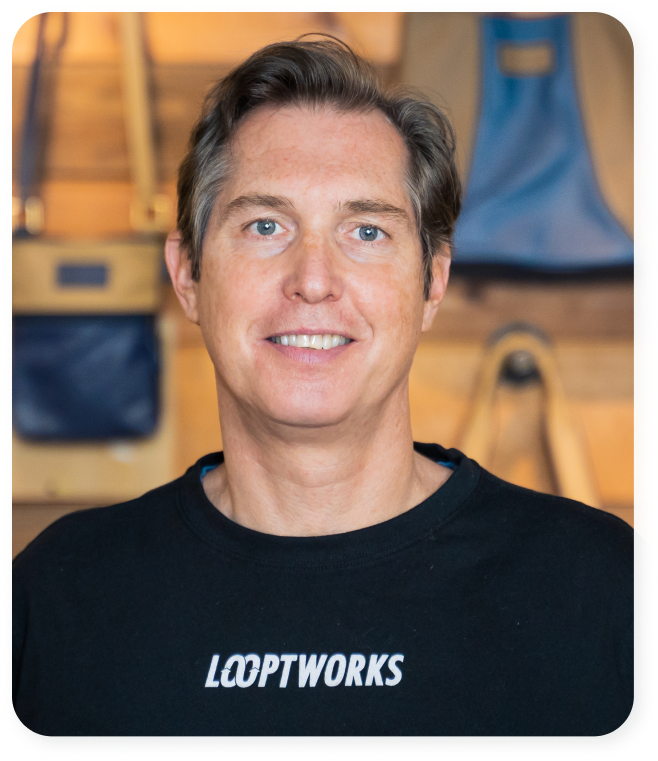
Scott Hamlin
Founder & CEO
Scott is a visionary leader with more than 32 years of experience in strategic branding, innovative product creation, supply chain sustainability, and sales and marketing for global organizations. He founded Looptworks in 2009 as an industry solution for turning excess materials into upcycled consumer products. In 2022, Scott transitioned the company to a B2B business model focused on eliminating global textile waste through closed-loop solutions.