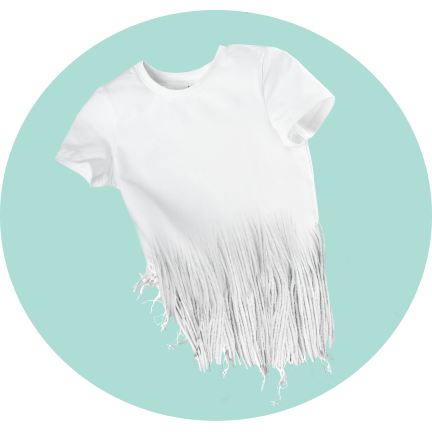
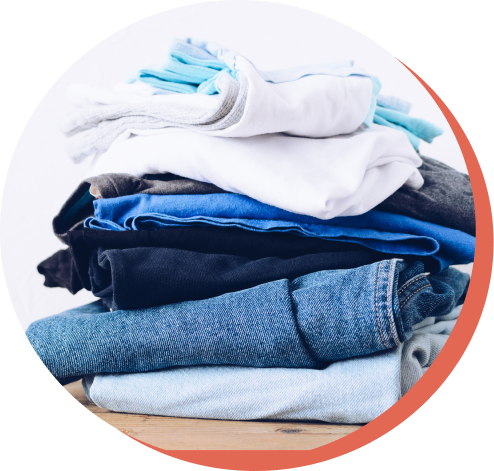
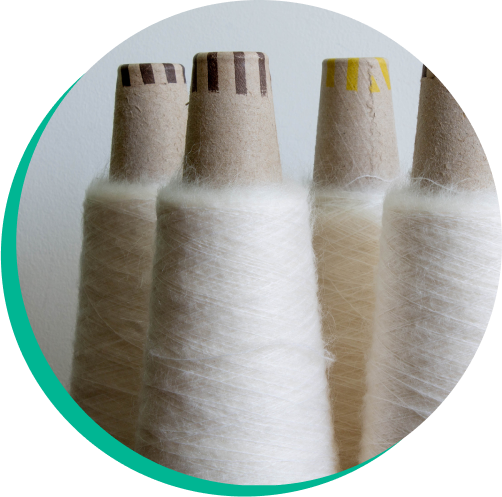
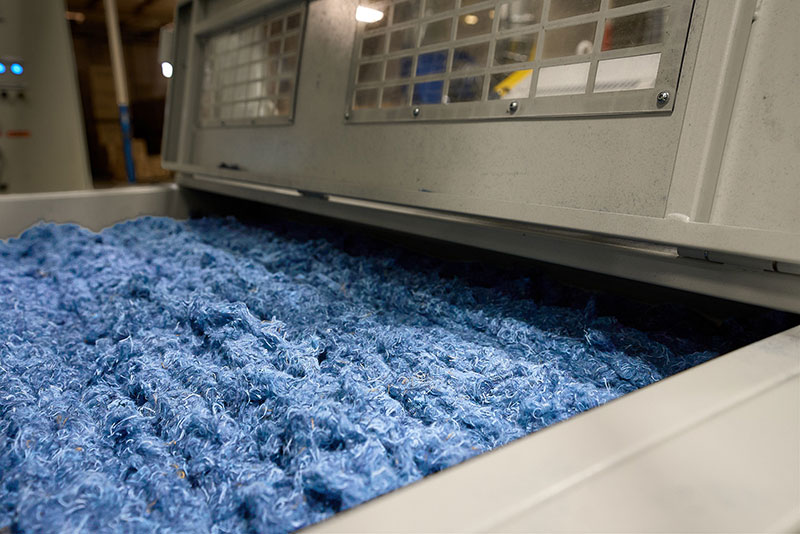
Existing textiles can become the raw materials for new ones. At our operating facility in Gresham, Oregon, Looptworks transforms pre- and post-consumer textiles into high-quality recycled fiber for yarn spinning and textile manufacturing. Our proprietary technology of elongated mechanical recycling produces Loopt™ Fiber, helping manufacturers incorporate recycled materials into new products while reducing reliance on virgin resources.
Fiber-to-fiber recycling gives existing textiles another purpose. Instead of becoming waste, these materials can return to textile manufacturing as recycled fiber.
At Looptworks, we prepare textile materials for recycling based on their composition and intended use. As a result, manufacturers can access recycled fiber suitable for spinning into new yarns.
This approach supports textile circularity. It also helps manufacturers reduce their reliance on virgin materials.
Explore Our Fiber-to-Fiber Process
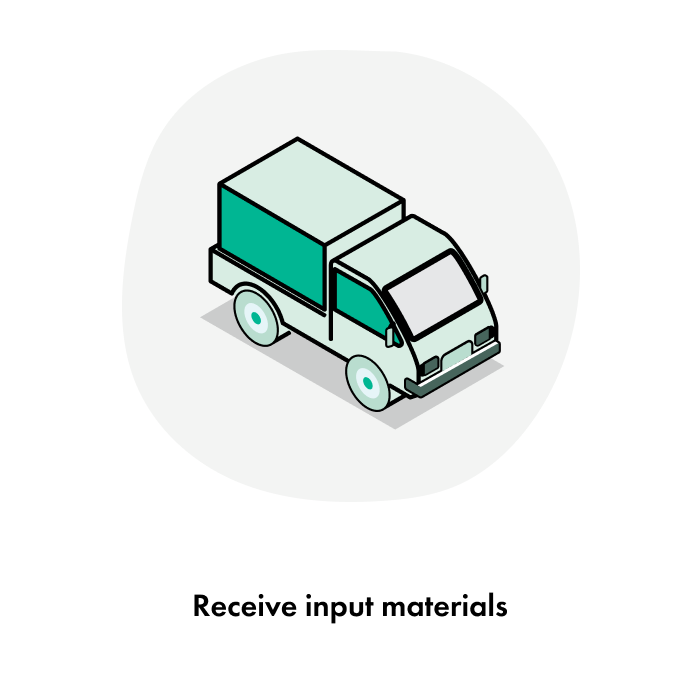
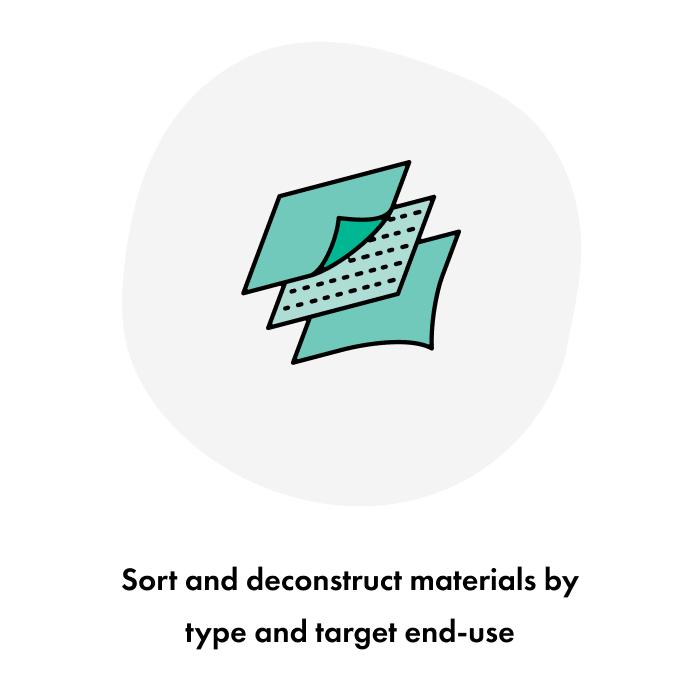
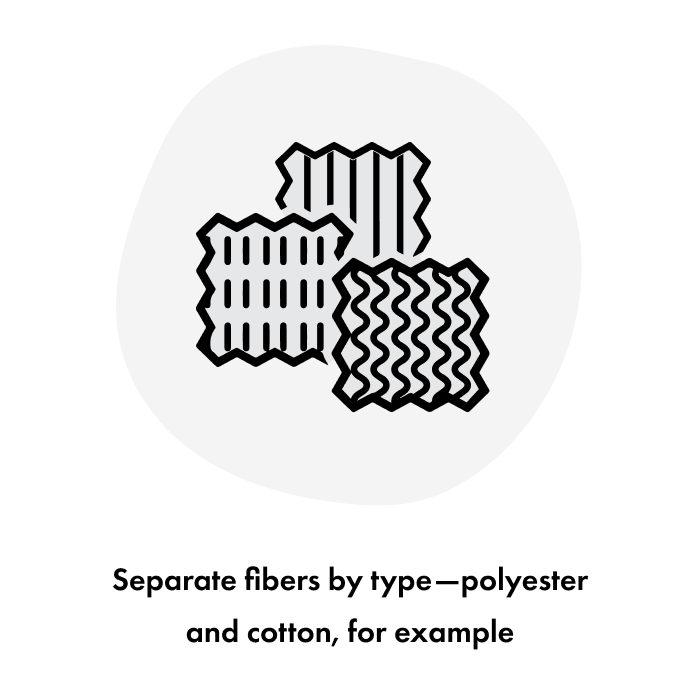
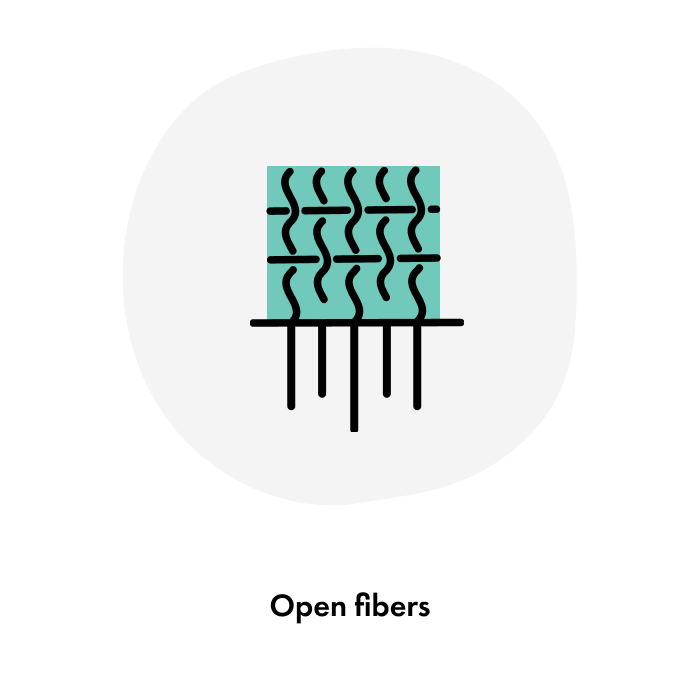
Our process starts with the materials we receive. First, we evaluate and sort textiles by fiber composition. Next, we remove components that could interfere with recycling.
We then process the prepared materials into recycled fiber. Finally, we check the output against quality requirements before preparing it for shipment to manufacturers.
Each stage helps us produce consistent fiber for its intended application.
Input Materials We Work With
We process a range of natural and synthetic textiles, including cotton, denim, polyester, wool, nylon, acrylic, and fiber blends.
However, not every material follows the same recycling path. Fiber composition, quality, and preparation requirements all affect the process.
Some materials arrive ready for recycling. Others require sorting or deconstruction before processing. Therefore, we evaluate each project to determine the best approach.
Our Output Materials
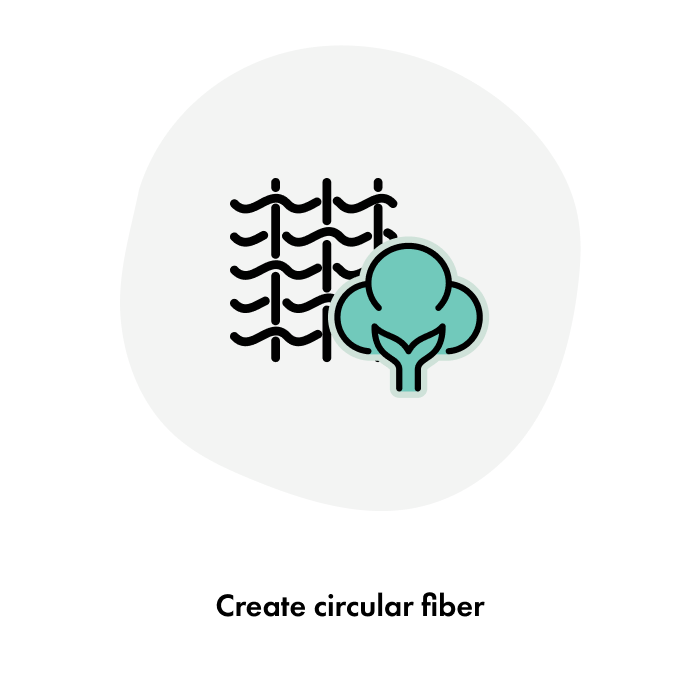
Our fiber-to-fiber recycling process produces high-quality Loopt™ Fiber for yarn spinning and textile manufacturing.
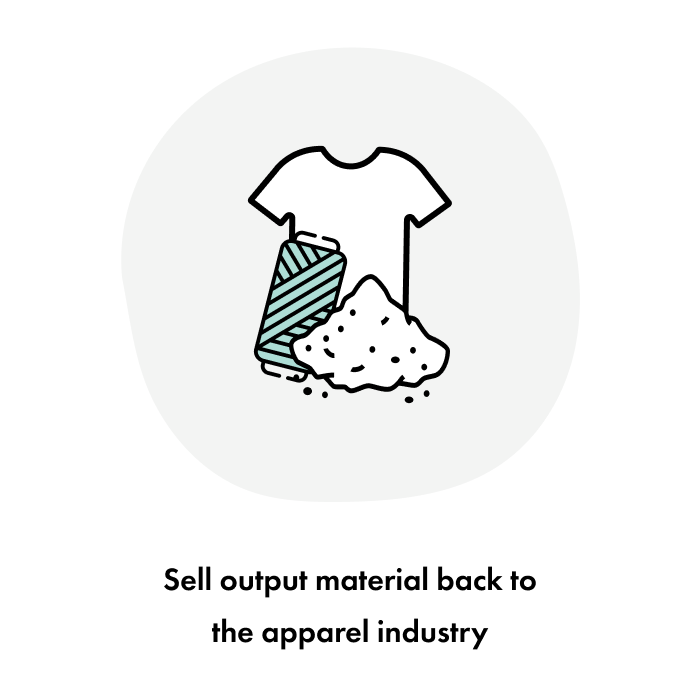
Spinning mills can use suitable recycled fibers to produce yarns for new textile applications. However, the fiber’s characteristics depend on the original material and its processing requirements.
Not every recycled fiber is intended for spinning. For materials better suited to other applications, Looptworks also produces fiber for nonwoven manufacturing.
These applications include insulation, carpet padding, and acoustic materials.
Our team can discuss your material requirements, quantities, and intended applications.
Interested in sourcing recycled fiber?
Our team can discuss your material requirements, quantities, and intended applications.
Our 90,000-square-foot facility in Gresham, Oregon, supports textile recycling at commercial scale.
Here, our team evaluates, prepares, and processes pre- and post-consumer textiles for new manufacturing applications. We also work with customers to identify suitable recycling pathways for their materials.
By bringing these capabilities together, we help manufacturers access recycled fiber while keeping existing textiles in productive use.
Let’s Close the Loop on Textile Waste
Have excess textiles that need a recycling solution?
Looptworks works with brands, manufacturers, retailers, and other organizations to recycle suitable textile materials.
Whether you’re looking to recycle excess inventory or source recycled fiber, our team can help you explore the next steps.
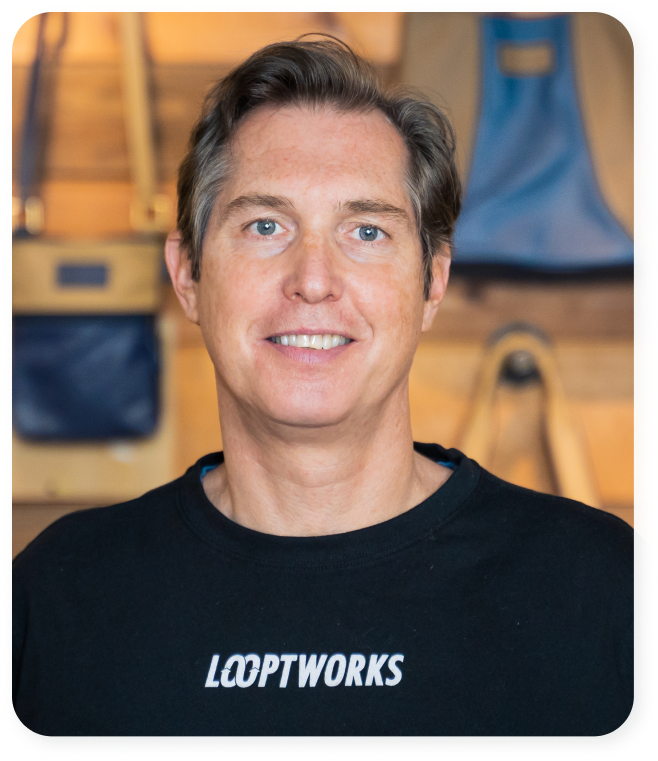
Scott is a visionary leader with more than 32 years of experience in strategic branding, innovative product creation, supply chain sustainability, and sales and marketing for global organizations. He founded Looptworks in 2009 as an industry solution for turning excess materials into upcycled consumer products. In 2022, Scott transitioned the company to a B2B business model focused on eliminating global textile waste through closed-loop solutions.
Scott Hamlin
Founder & CEO
Scott is a visionary leader with more than 32 years of experience in strategic branding, innovative product creation, supply chain sustainability, and sales and marketing for global organizations. He founded Looptworks in 2009 as an industry solution for turning excess materials into upcycled consumer products. In 2022, Scott transitioned the company to a B2B business model focused on eliminating global textile waste through closed-loop solutions.