Pioneering circularity since 2009
May 13, 2024

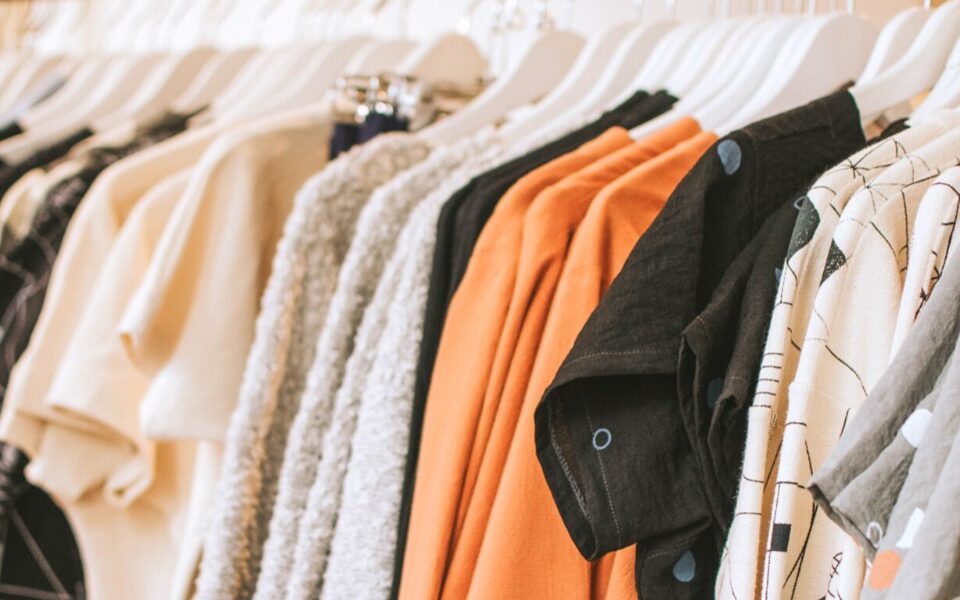
7 Ways Textile Recycling Reduces Environmental Impact

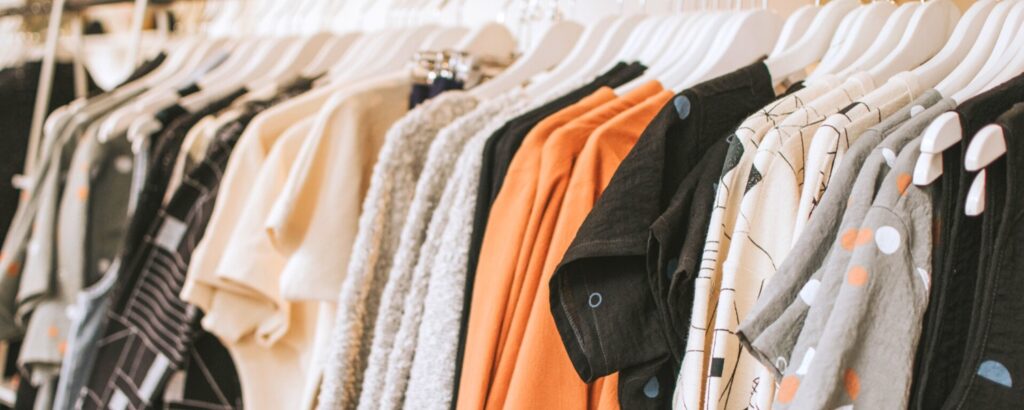
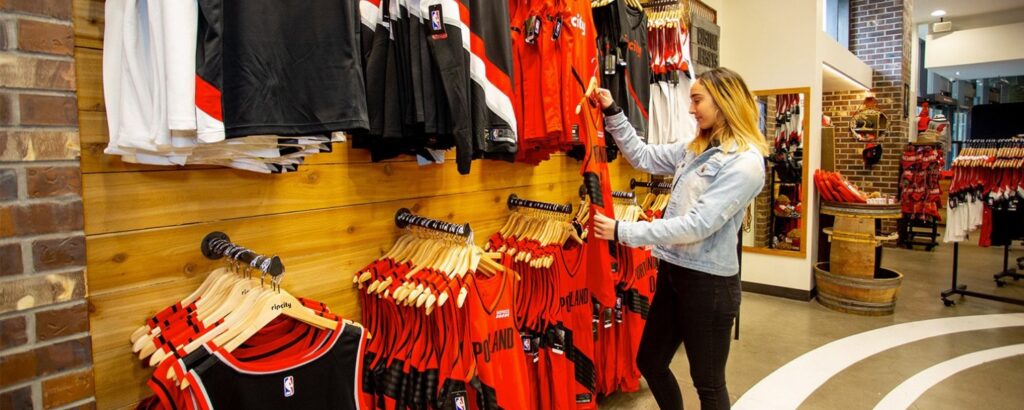
Discover how textile recycling can significantly reduce our environmental impact and help restore the health of our planet. With over 85% of unwanted clothing ending up in landfills, the fashion industry is a major contributor to pollution and resource depletion. By embracing a circular economy, we can repurpose materials, lower carbon emissions, and conserve precious resources like water. From cleaner oceans to healthier farmers, the benefits of recycling textiles are vast. Join us at Looptworks as we explore seven powerful ways textile recycling can serve as a release valve for the pressure we’re putting on Mother Earth.

March 7, 2024

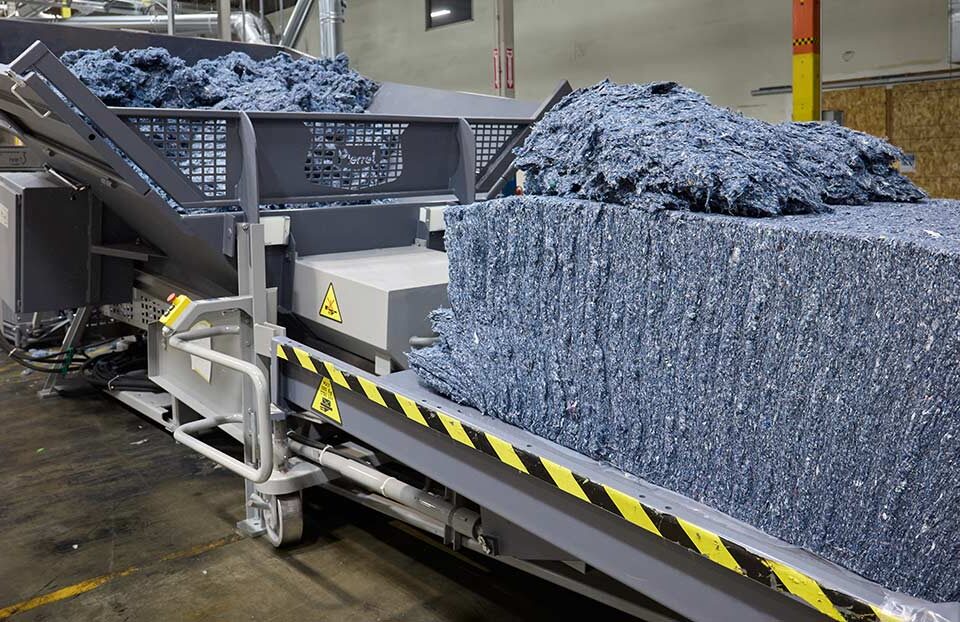
Downcycling Keeps Textiles in Motion: From Waste to Worth

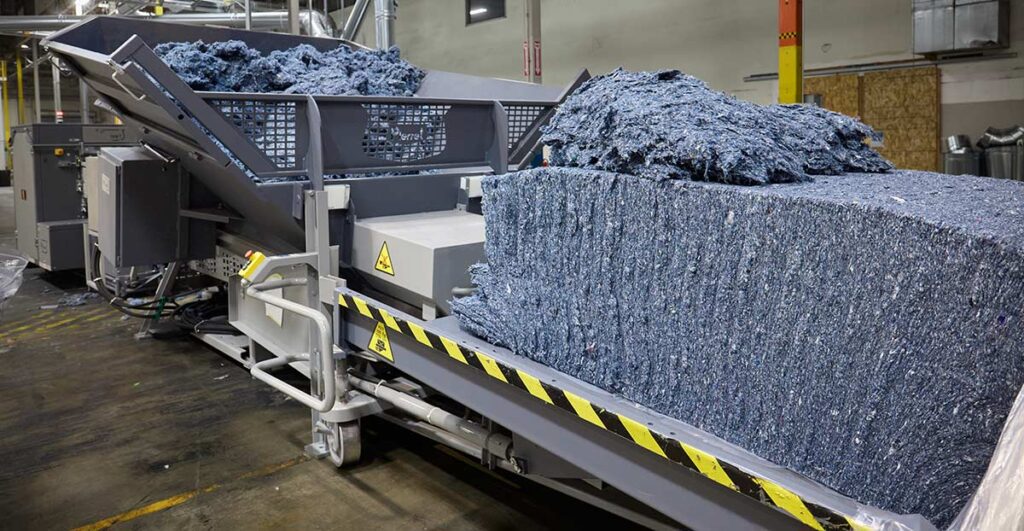
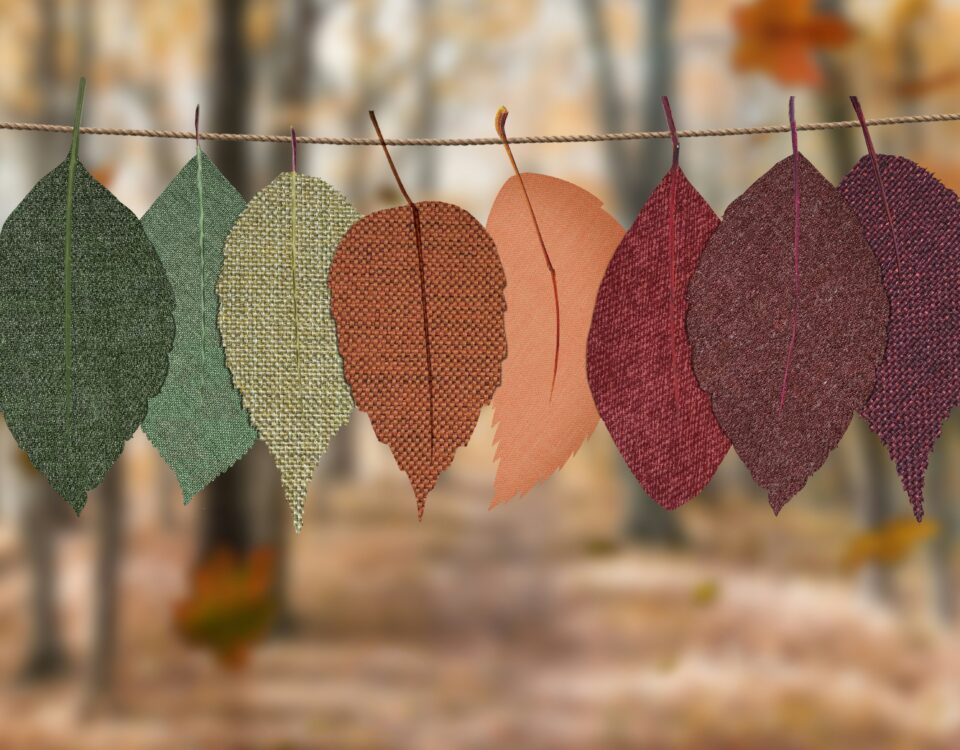
Discover how downcycling is revolutionizing the textile industry by transforming worn-out garments into valuable resources. At Looptworks, we believe in a circular model that keeps materials in motion, reducing waste and promoting sustainability. Instead of ending up in landfills, textiles can find new life as insulation, industrial padding, and more. Join us in embracing a future where every fiber counts and materials are seen as opportunities, not disposables. Learn how we can work together to create a greener tapestry for generations to come and make a meaningful impact on our planet.
September 3, 2022

The Benefits of Fiber-to-Fiber Recycling

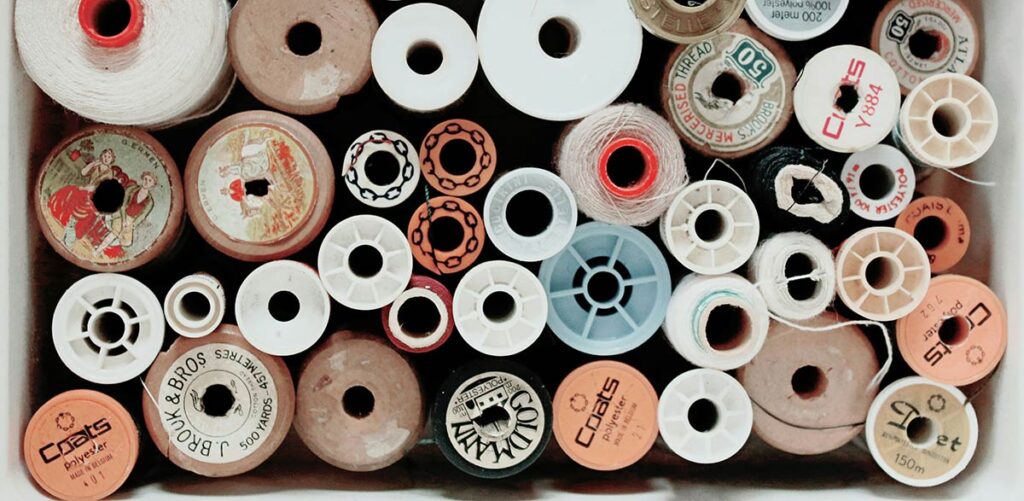
Fiber-to-fiber recycling significantly reduces the environmental impact of the textile industry by conserving resources and minimizing waste. It also opens new economic opportunities for brands by lowering production costs and meeting consumer demand for sustainable products. This recycling approach is essential for advancing circularity in fashion, ensuring that materials are reused and kept in circulation.
February 2, 2020

Upcycling Textiles & Clothing Into New Items: A Case Study

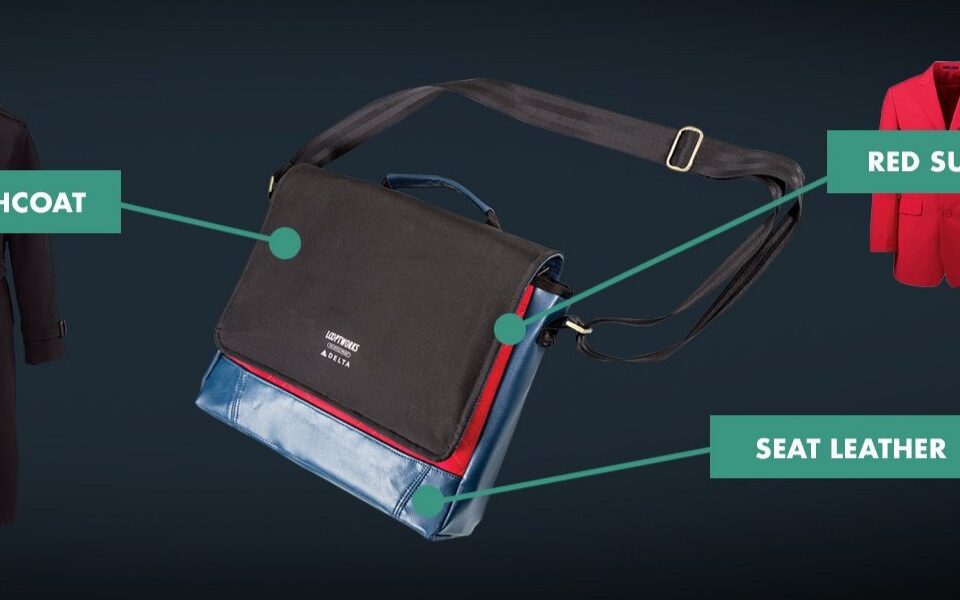
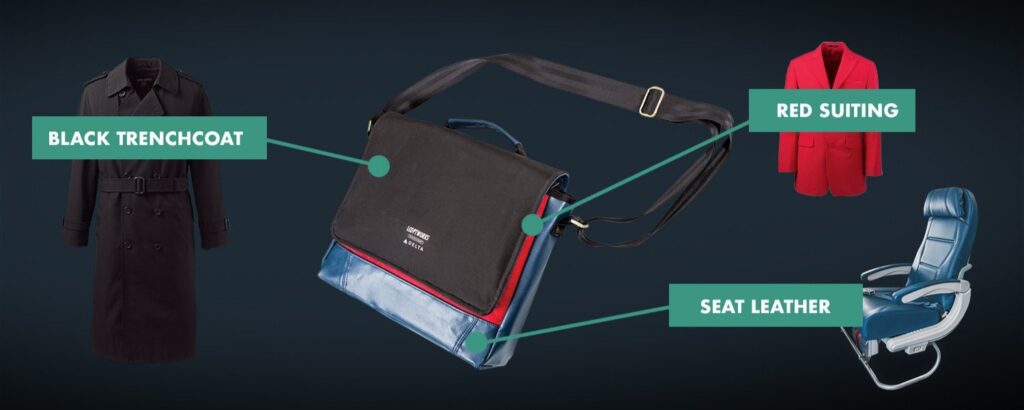
​In collaboration with Delta Air Lines, Looptworks transformed over a decade's worth of retired uniforms into a unique collection of bags and travel accessories, exemplifying their commitment to large-scale upcycling and environmental stewardship. This initiative successfully diverted 350,000 pounds of textiles from landfills, showcasing the potential of creative reuse in reducing waste and promoting sustainability.
July 30, 2015

Upcycling Southwest Airlines LUV Leather Seats

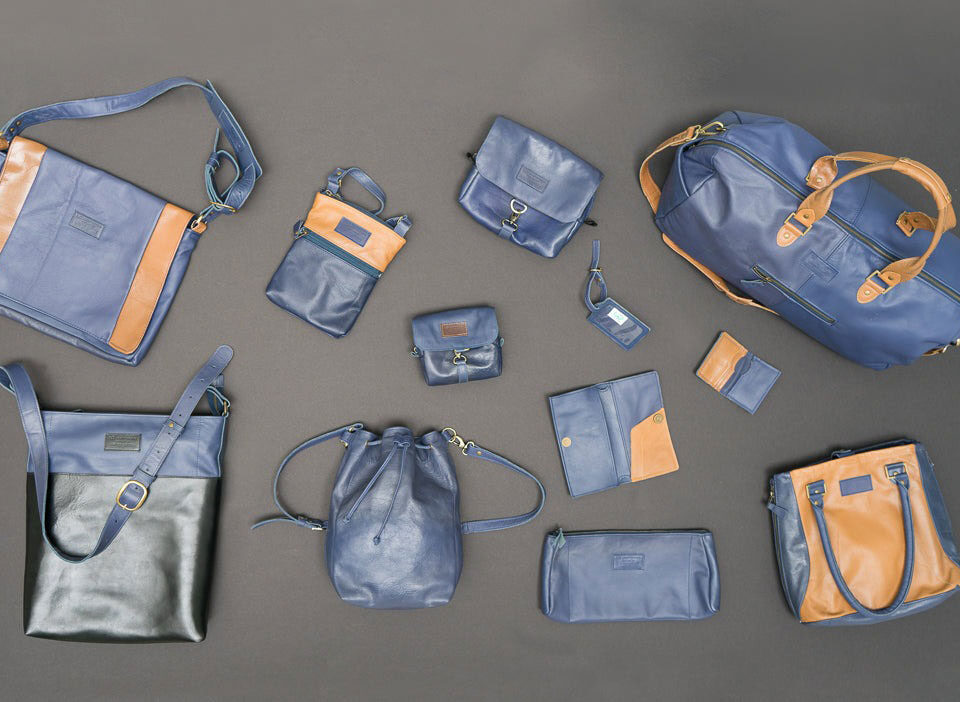
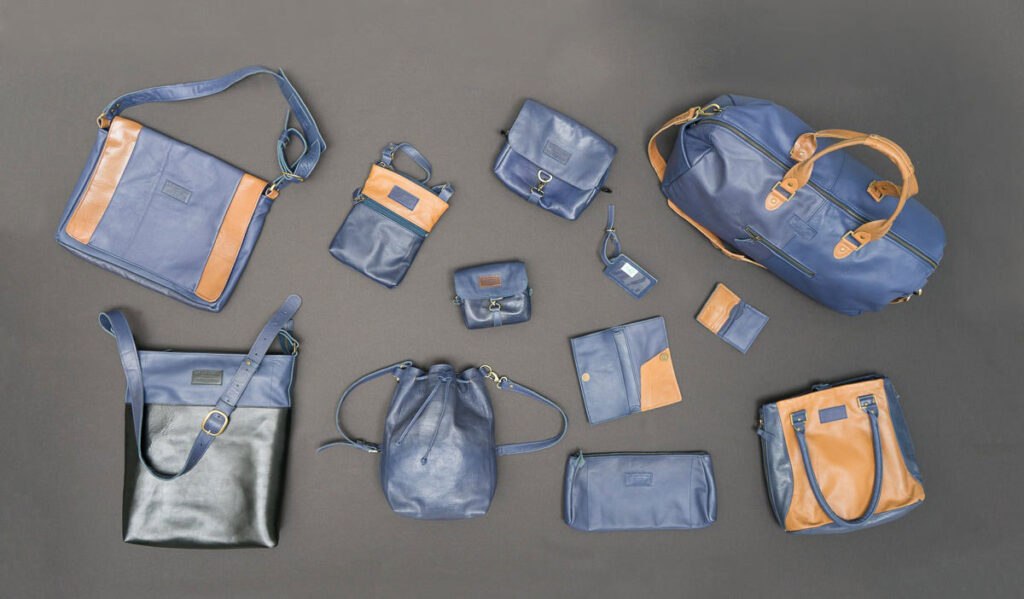
Southwest Airlines' Inflight Luv bag Collection exemplifies a commitment to textile circularity. With a goal to reduce fuel consumption, the airline sought to replace their heavy leather seats with a lighter alternative. However, they also aimed to extend the lifecycle of the original materials. Leveraging the iconic blue and tan leather from the seats, we crafted a collection of travel bags, drawing inspiration directly from the seat design. This initiative embodies the principles of textile circularity by repurposing materials and minimizing waste in airline operations.
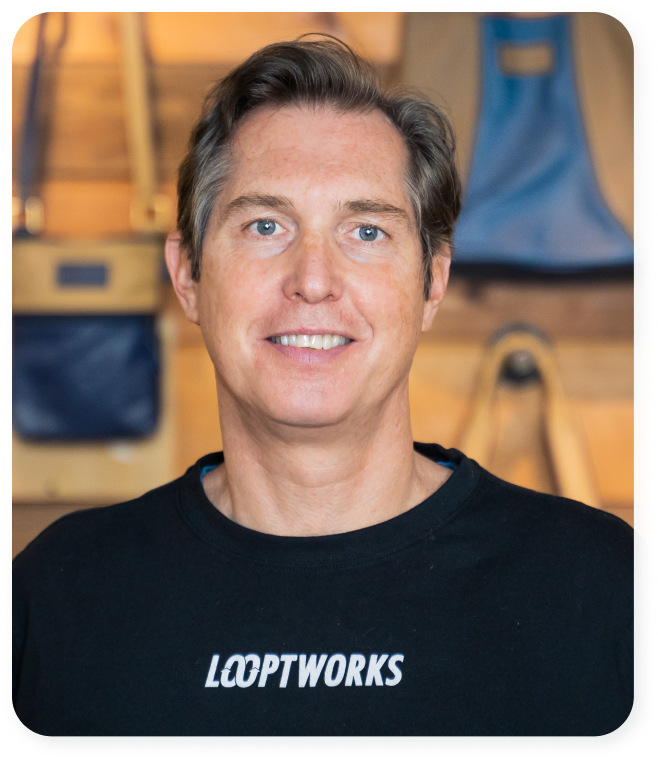
Headshot of Scott Hamlin, Founder and CEO of Looptworks.

Scott Hamlin

Founder & CEO

Scott is a visionary leader with more than 32 years of experience in strategic branding, innovative product creation, supply chain sustainability, and sales and marketing for global organizations. He founded Looptworks in 2009 as an industry solution for turning excess materials into upcycled consumer products. In 2022, Scott transitioned the company to a B2B business model focused on eliminating global textile waste through closed-loop solutions.

Headshot of Scott Hamlin, Founder and CEO of Looptworks.

Scott Hamlin

Founder & CEO

Scott is a visionary leader with more than 32 years of experience in strategic branding, innovative product creation, supply chain sustainability, and sales and marketing for global organizations. He founded Looptworks in 2009 as an industry solution for turning excess materials into upcycled consumer products. In 2022, Scott transitioned the company to a B2B business model focused on eliminating global textile waste through closed-loop solutions.