
Extended Producer Responsibility (EPR) is changing how the textile industry manages products at end of life. As textile EPR programs develop, producers will take greater responsibility for systems that collect, repair, reuse, and recycle textiles.
Looptworks provides the recycling infrastructure needed at the end of that system. As a responsible end market, we process both pre- and post-consumer textiles and transform them into Loopt GRS-certified recycled fiber for new textile and nonwoven applications.
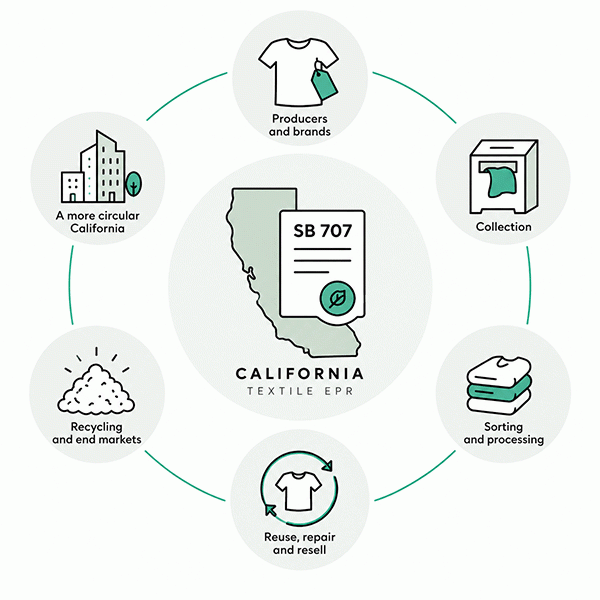
California’s Responsible Textile Recovery Act, SB 707, established the first statewide Extended Producer Responsibility program for textiles in the United States. The law shifts responsibility for managing covered textiles at end of life toward the companies that produce and sell them.
California provides an early model for how textile EPR can connect producers, collection systems, sorting, reuse, recycling, and responsible end markets. As similar approaches develop in other states, one challenge remains consistent: collecting textiles is only the beginning. Recovered materials need recycling infrastructure and end markets that can put them back to use.
Looking for California producer registration or compliance information?
A successful textile EPR system needs more than collection. Recovered textiles must be sorted, processed, and connected with responsible end markets that can transform them into materials for new uses.
That’s where Looptworks fits.
Our 90,000-square-foot facility in Gresham, Oregon processes both pre- and post-consumer textiles, including cotton, polyester, cotton/polyester blends, nylon, wool and acrylics. Through our proprietary technology of elongated mechanical recycling, we help organizations divert textiles from landfill while producing high-quality Loopt recycled spinning fiber and Loopt non-woven fiber for the next generation of textiles and manufactured products.
Together, these pathways keep textile resources in productive use and provide alternatives to landfill and incineration.
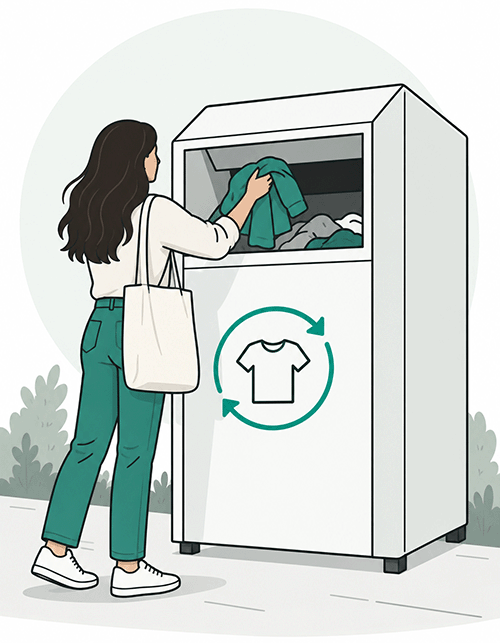
EPR can create systems for recovering textiles. Responsible end markets create a place for those materials to go next.
Looptworks operates a 90,000-square-foot textile recycling facility in Gresham, Oregon, producing Loopt GRS-certified recycled fiber in the USA. We connect textile recovery with manufacturing by transforming pre- and post-consumer materials into recycled spinning fiber and non-woven fiber for new applications.
Our role connects two critical parts of textile circularity: helping organizations responsibly manage unwanted textiles and supplying manufacturers with recycled fiber for the next generation of products.
Made in the USA
Domestic textile recycling and recycled fiber production.
Pre- and Post-Consumer Textiles
We process materials from manufacturing as well as textiles recovered after consumer use.
Multiple Material Types
Cotton, polyester, cotton/polyester blends, nylon, wool, acrylics and other materials can be evaluated for recycling.
Multiple End Markets
Loopt recycled spinning fiber and Loopt non-woven fiber support textile-to-textile and durable nonwoven applications.
GRS Certified
Loopt GRS-certified recycled fiber supports traceability and verified recycled content throughout the supply chain.
As textile EPR develops across the United States, successful programs will require more than collection. They will need sorting, recycling capacity, and responsible end markets capable of moving recovered textiles into their next use.
Looptworks is part of that infrastructure. By connecting textile recovery with domestic recycled fiber production, we provide a pathway from end-of-life textiles to Loopt recycled spinning fiber and Loopt non-woven fiber for new manufacturing.
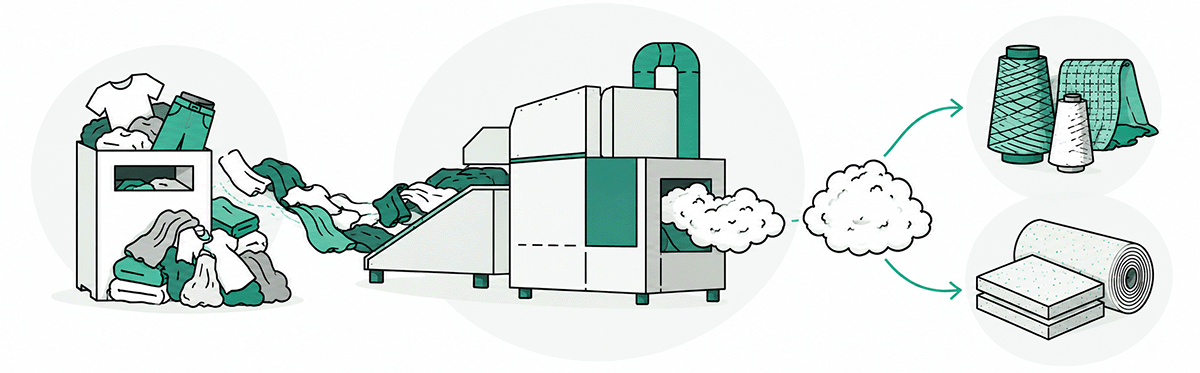
California textile EPR is creating a new system for managing textiles after use. That system will need real recycling capacity and reliable end markets for recovered material.
Looptworks is ready to be part of that infrastructure.
Whether you’re managing textile feedstock, developing a recovery program, or looking for recycled fiber for a new product, let’s talk about where your material can go next.
Ready to support your organization’s ESG goals with zero-waste solutions for your excess materials? Work with us!
Scott is a visionary leader with more than 32 years of experience in strategic branding, innovative product creation, supply chain sustainability, and sales and marketing for global organizations. He founded Looptworks in 2009 as an industry solution for turning excess materials into upcycled consumer products. In 2022, Scott transitioned the company to a B2B business model focused on eliminating global textile waste through closed-loop solutions.
Scott is a visionary leader with more than 32 years of experience in strategic branding, innovative product creation, supply chain sustainability, and sales and marketing for global organizations. He founded Looptworks in 2009 as an industry solution for turning excess materials into upcycled consumer products. In 2022, Scott transitioned the company to a B2B business model focused on eliminating global textile waste through closed-loop solutions.