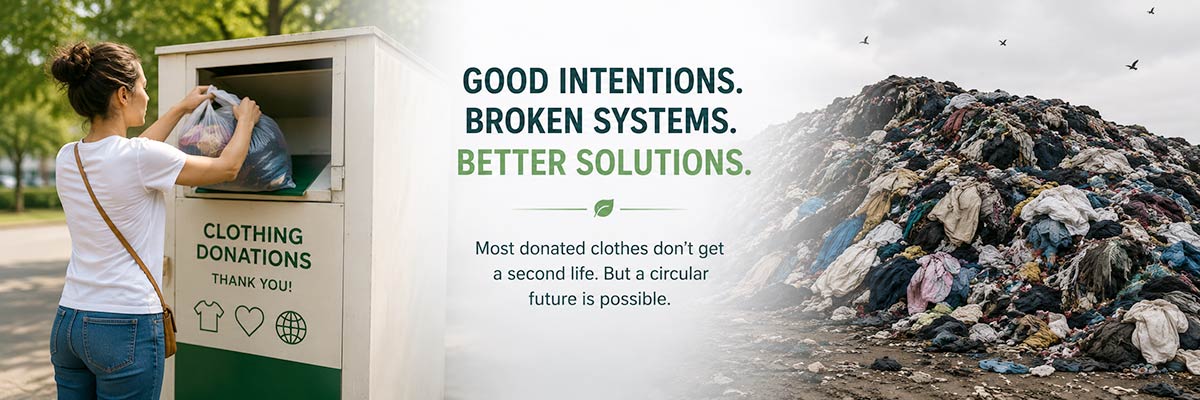

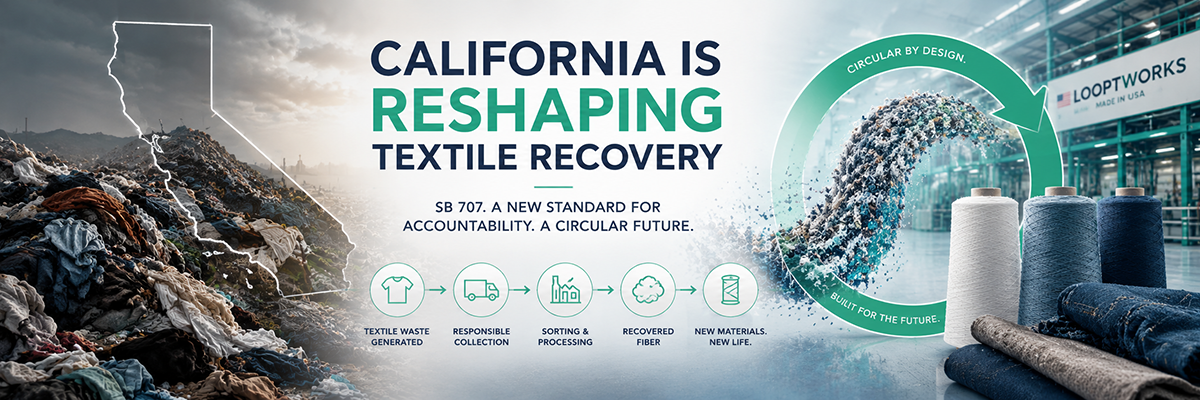
Looptworks is excited to support brands in aligning with new textile recycling regulations, especially California’s Responsible Textile Recovery Act of 2024 (SB-707). This landmark bill, passed by the California legislature, marks a major shift toward sustainable textile production and waste management. It introduces an extended producer responsibility (EPR) framework, requiring brands to play an active role in reuse, repair, and fiber recycling within the state.
As the only textile recycler on the West Coast, Looptworks has long promoted sustainability and circularity in the apparel industry. The passage of SB-707 is a victory for environmental advocates and a significant step toward reducing waste and keeping textiles out of landfills. We are excited to partner with brands to navigate these new regulations while advancing sustainability through textile recycling.
California’s Responsible Textile Recovery Act of 2024 will reshape how the textile industry operates in the state. Textile producers will be responsible for funding programs to ensure products are reused, repaired, or recycled. This requires brands to rethink their product lifecycle—from design to disposal—and invest in the infrastructure needed to support a circular economy.
A key feature of the act is its focus on building markets for reuse and recycling. This creates opportunities for brands to collaborate with partners like Looptworks, who are ready to help them meet these regulatory demands. As the leading fiber recycler on the West Coast, Looptworks specializes in waste reduction and recycling, making us the ideal partner for brands minimizing environmental impact while complying with SB-707.
At Looptworks, we understand the shift to a circular economy requires innovation and commitment. With SB-707, brands need to create EPR programs that meet regulatory requirements while prioritizing sustainability.
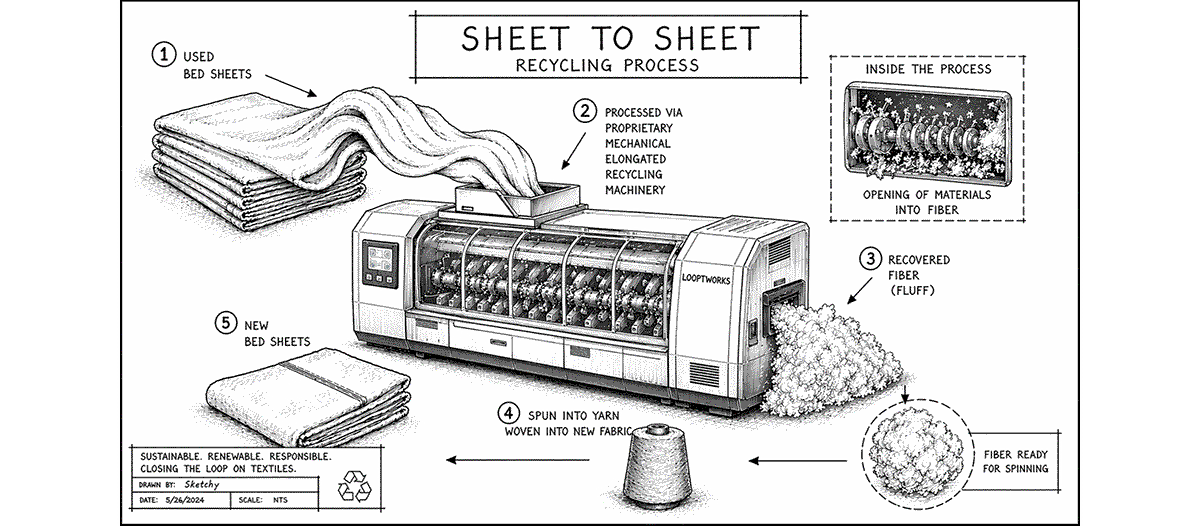
Our expertise in fiber-to-fiber recycling and downcycling helps brands meet their sustainability goals and comply with the new legislation. By partnering with us, brands can:
While some in the industry are concerned about implementation, the bill has broad support for driving real change. The American Apparel & Footwear Association (AAFA) supports this legislation, noting amendments that address industry concerns, such as resale of counterfeit products. The bill now better supports the industry’s move toward circularity.
At Looptworks, this legislation has great potential to unlock textile recycling markets. Its focus on reuse and recycling aligns with our mission to reduce textile waste and create sustainable products from pre-and post-consumer waste. We view this as an opportunity for growth and innovation—not only for us but also for the brands we partner with.
As the textile industry faces new challenges and opportunities, Looptworks is ready to help brands meet these demands. As the only textile recycler on the West Coast, we’re eager to collaborate with brands to develop sustainable solutions that comply with SB-707 and advance the transition toward a circular textile economy.
The future of the apparel industry is in sustainability, and Looptworks is here to lead. By working together, we can meet regulatory demands and create a better future for textiles through recycling.
We’d love to hear from you!

Scott is a visionary leader with more than 32 years of experience in strategic branding, innovative product creation, supply chain sustainability, and sales and marketing for global organizations. He founded Looptworks in 2009 as an industry solution for turning excess materials into upcycled consumer products. In 2022, Scott transitioned the company to a B2B business model focused on eliminating global textile waste through closed-loop solutions.
Scott is a visionary leader with more than 32 years of experience in strategic branding, innovative product creation, supply chain sustainability, and sales and marketing for global organizations. He founded Looptworks in 2009 as an industry solution for turning excess materials into upcycled consumer products. In 2022, Scott transitioned the company to a B2B business model focused on eliminating global textile waste through closed-loop solutions.