Turning Textile Waste Into Opportunity: The Power of Fiber-to-Fiber Recycling
By
Looptworks Team
Transforming Textile Waste into a Source of Inspiration: Embracing the Vision of Textile-to-Textile Recycling
At Looptworks, we transform textile waste into opportunity. Since 2009, we have helped brands and organizations recycle end-of-life textiles back into usable fiber, keeping valuable materials in circulation and out of landfills. Fiber-to-fiber recycling plays a critical role in the circular economy. Instead of discarding worn or surplus textiles, this process returns materials to the textile supply chain, where manufacturers can reuse them repeatedly.
How Fiber-to-Fiber Recycling Works
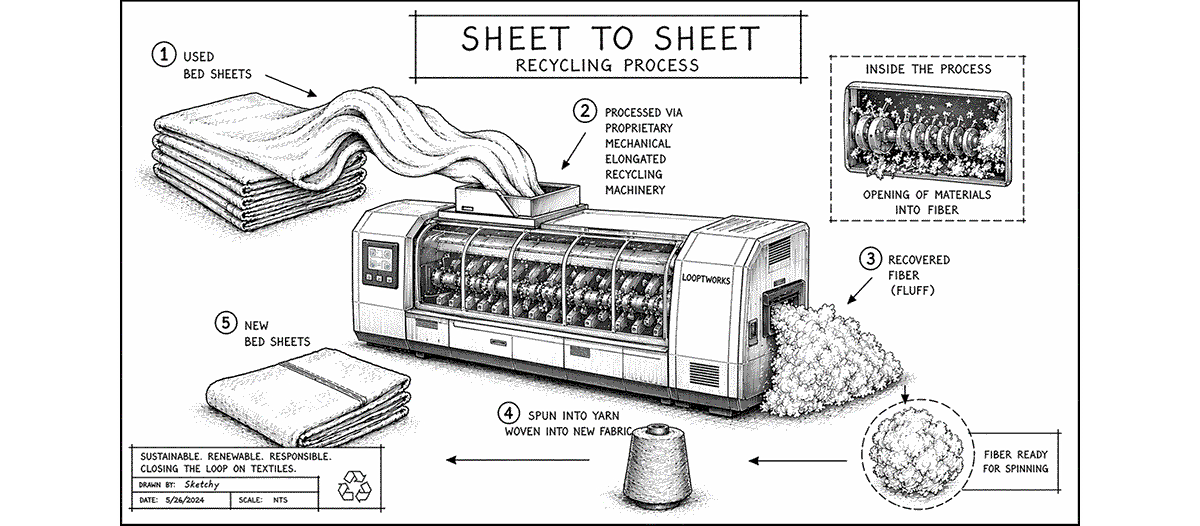
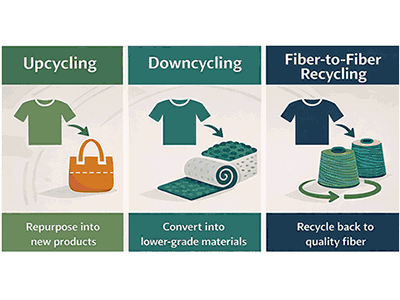
Traditional recycling often downcycles textiles into lower-value products. Fiber-to-fiber recycling takes a different approach. At Looptworks, we collect, sort, and mechanically recycle pre- and post-consumer textiles, returning them to the fiber state. From there, manufacturers can spin the recycled fiber into new yarns, fabrics, and products. This process extends the life of existing materials, reduces reliance on virgin fibers, and supports long-term circular textile systems.
Real-World Circular Textile Solutions
Looptworks actively develops projects that demonstrate fiber-to-fiber recycling at scale. One example includes our collaboration with the California Product Stewardship Council (CPSC) as part of the LA28 Olympics initiative. Through this effort, we are working to convert excess pre-consumer textiles into recycled cotton fibers for future use. Projects like this show how circular textile infrastructure can support major institutions while reducing landfill waste and material loss.
Why Textile Recycling Matters
Textile waste continues to grow, and landfills remain the most common end-of-life destination for clothing and fabric products. Fiber-to-fiber recycling offers a proven alternative. By keeping materials in use, companies reduce environmental impact, lower raw material demand, and strengthen supply chain resilience.
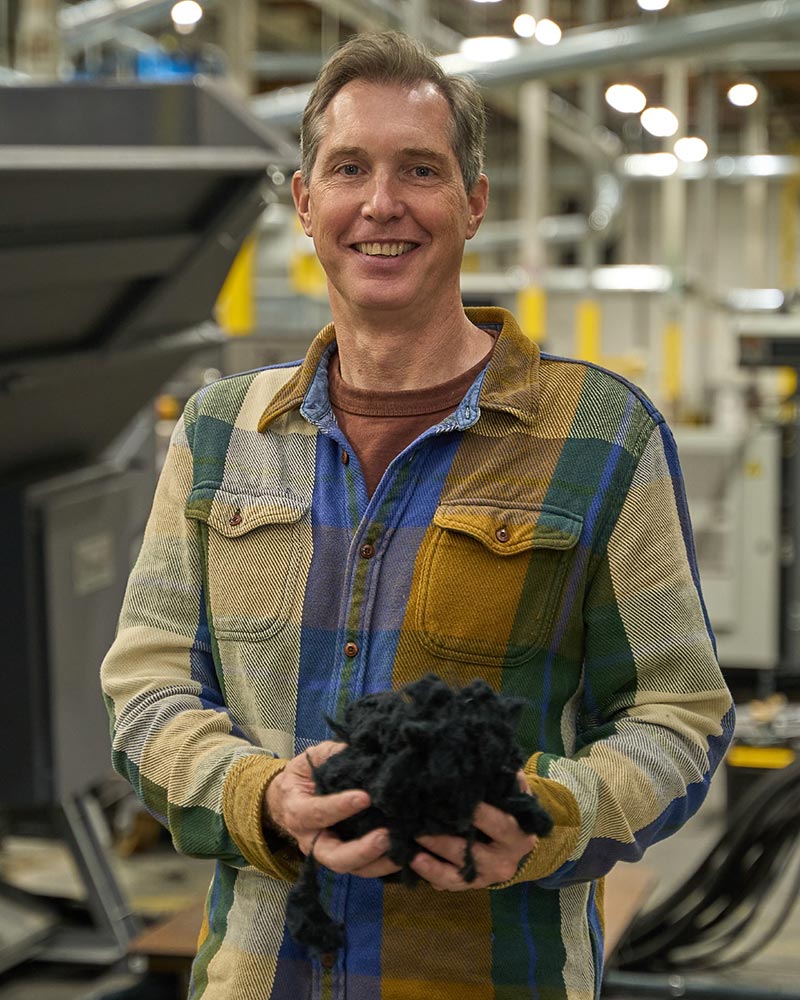
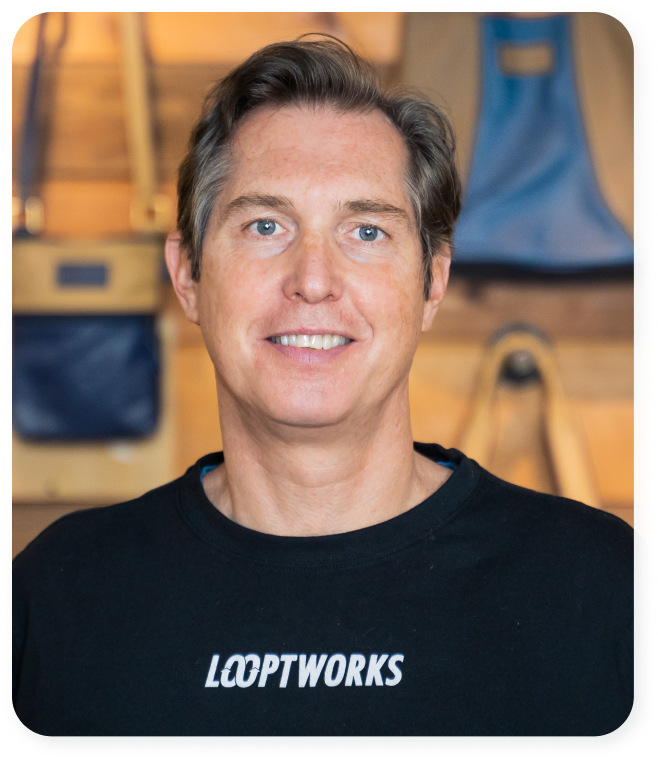
Scott Hamlin, CEO of Looptworks, explains: “Fiber-to-fiber recycling allows companies to recover value from materials they already own. When businesses invest in circular systems, they reduce waste and build more sustainable operations.”
Scott Hamlin, Looptworks CEO
For us, recycling textiles into new textiles is more than just a technical process—it’s a way for businesses to succeed while cutting down on waste. By prolonging the life of materials through textile recycling and smart downcycling, we help companies keep resources in use longer, reducing their environmental footprint while uncovering value in materials they may have thought were useless.
Building a Circular Textile Future
Fiber-to-fiber recycling benefits both the planet and the economy. It helps organizations meet sustainability goals, respond to regulatory pressure, and align with growing consumer demand for responsible products.
As adoption increases, textile waste can shift from a global challenge to a valuable resource. At Looptworks, we remain focused on building the systems that make that future possible — one fiber at a time.
Scott is a visionary leader with more than 32 years of experience in strategic branding, innovative product creation, supply chain sustainability, and sales and marketing for global organizations. He founded Looptworks in 2009 as an industry solution for turning excess materials into upcycled consumer products. In 2022, Scott transitioned the company to a B2B business model focused on eliminating global textile waste through closed-loop solutions.
Scott Hamlin
Founder & CEO
Scott is a visionary leader with more than 32 years of experience in strategic branding, innovative product creation, supply chain sustainability, and sales and marketing for global organizations. He founded Looptworks in 2009 as an industry solution for turning excess materials into upcycled consumer products. In 2022, Scott transitioned the company to a B2B business model focused on eliminating global textile waste through closed-loop solutions.