From Upcycling Roots to Scalable Fiber-to-Fiber Recycling Leadership
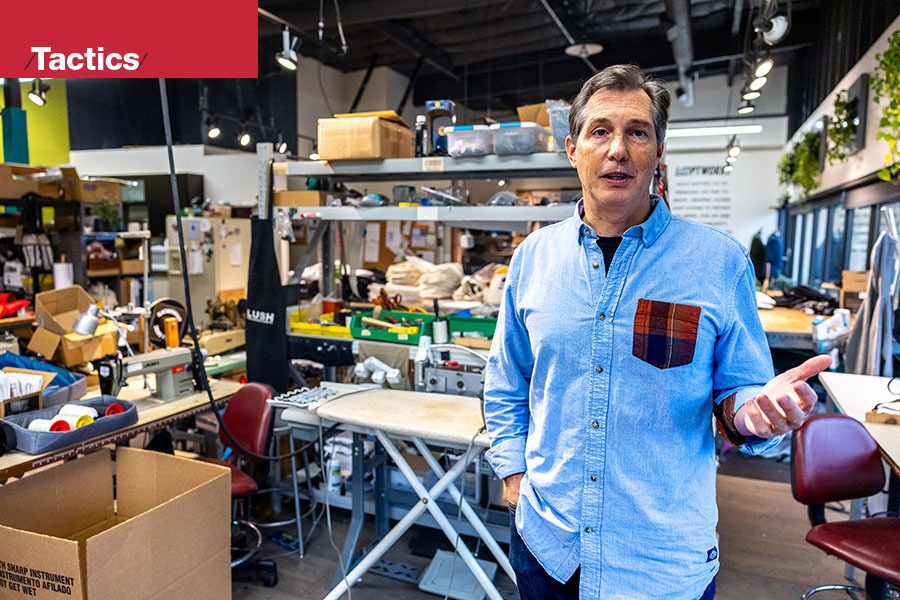
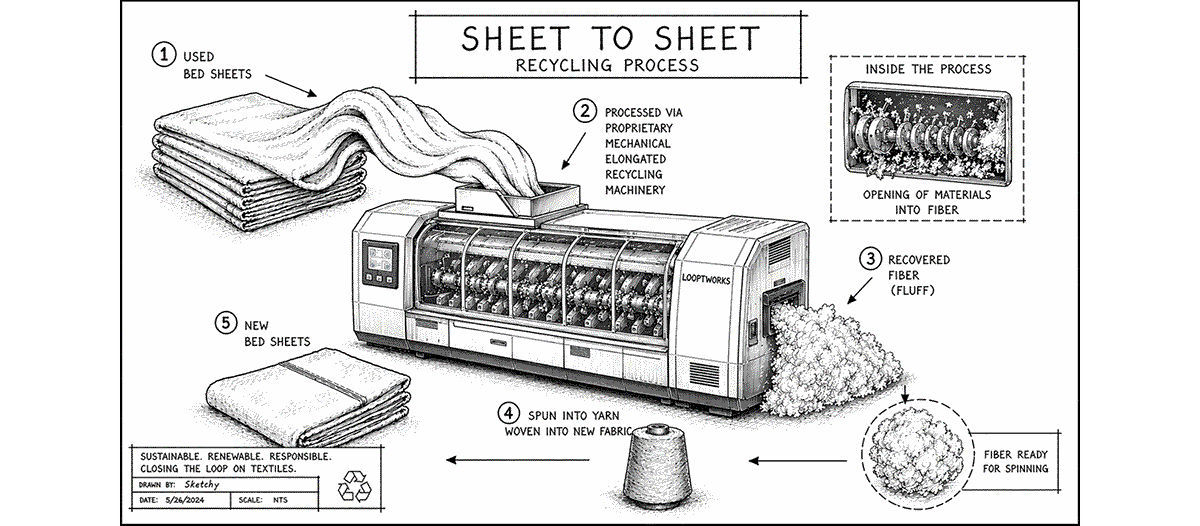
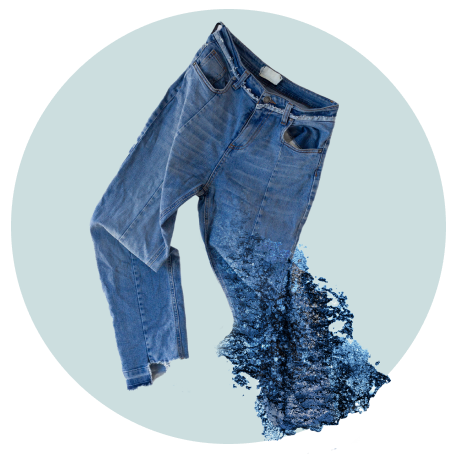
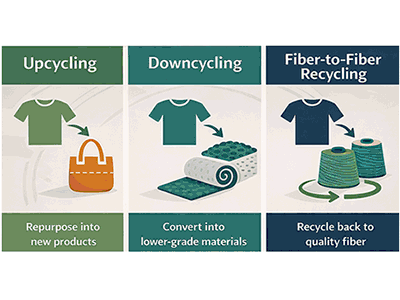
Looptworks is revolutionizing textile recycling by transforming waste materials into valuable resources through innovative upcycling, downcycling, and fiber-to-fiber recycling. Founded in 2009 by Scott Hamlin, who sought to address the wastefulness of the apparel industry, the company began by turning excess materials into new products like backpacks and wallets, collaborating with brands like Patagonia and Southwest Airlines. Over time, Looptworks expanded to downcycling textiles into products like insulation and has now developed a groundbreaking method to recycle textiles back into fibers for creating new garments. This circular approach is culminating in the launch of a municipal textile recycling facility in Gresham, capable of turning T-shirts back into T-shirts by breaking textiles into fibers, spinning yarn, and enabling fabric production. With 17 million tons of textiles landfilled annually in the U.S. and less than 1% recycled into clothing, Looptworks aims to scale its operations nationally and globally to drive the industry toward sustainability and a zero-waste future.
“When Scott Hamlin started working in the outdoor-apparel industry in 2000, he found an industry that seemed at odds with his values.” Read the full article… >
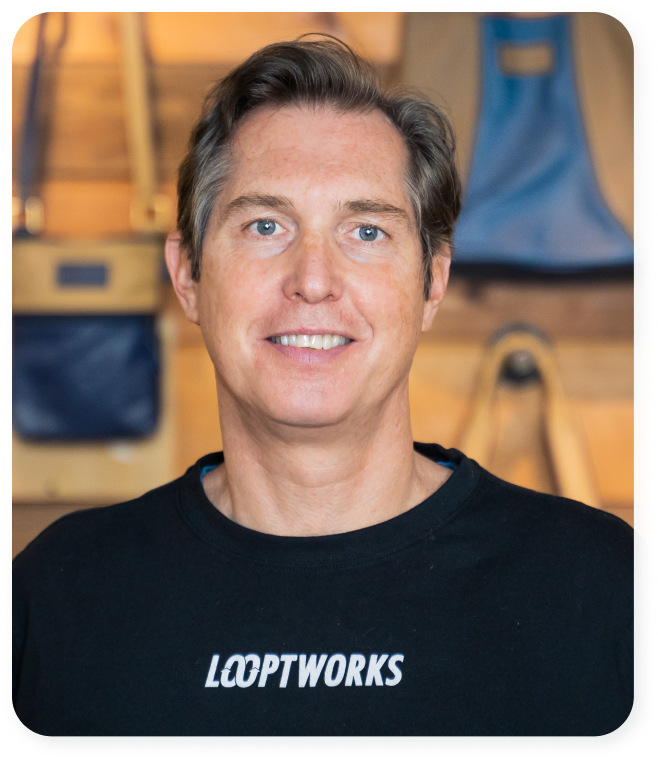
Scott is a visionary leader with more than 32 years of experience in strategic branding, innovative product creation, supply chain sustainability, and sales and marketing for global organizations. He founded Looptworks in 2009 as an industry solution for turning excess materials into upcycled consumer products. In 2022, Scott transitioned the company to a B2B business model focused on eliminating global textile waste through closed-loop solutions.
Scott Hamlin
Founder & CEO
Scott is a visionary leader with more than 32 years of experience in strategic branding, innovative product creation, supply chain sustainability, and sales and marketing for global organizations. He founded Looptworks in 2009 as an industry solution for turning excess materials into upcycled consumer products. In 2022, Scott transitioned the company to a B2B business model focused on eliminating global textile waste through closed-loop solutions.