Textile Recycling for Earth Day: Looptworks & Naturepedic Sheet Swap
April 21, 2026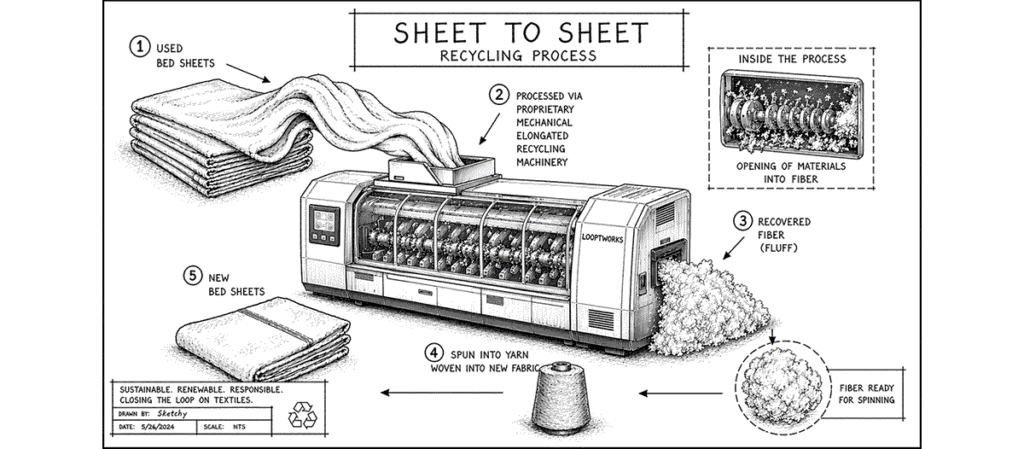
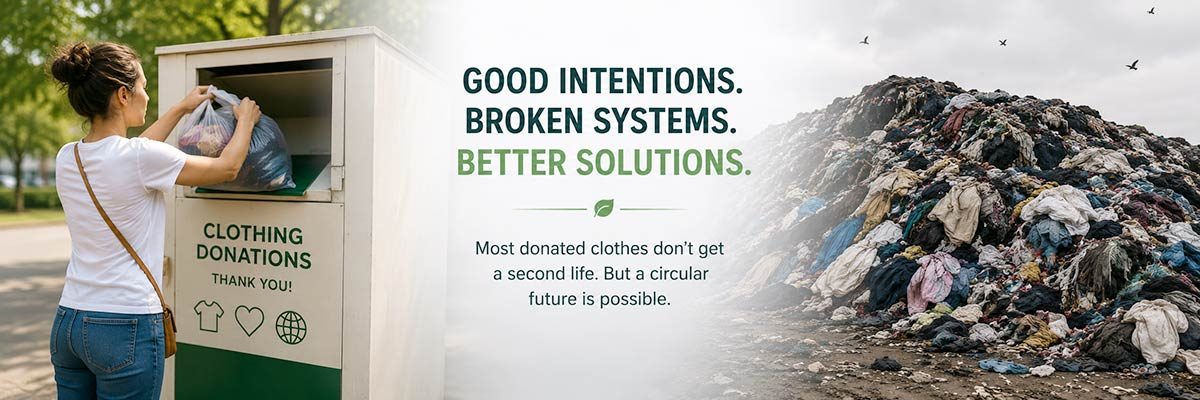
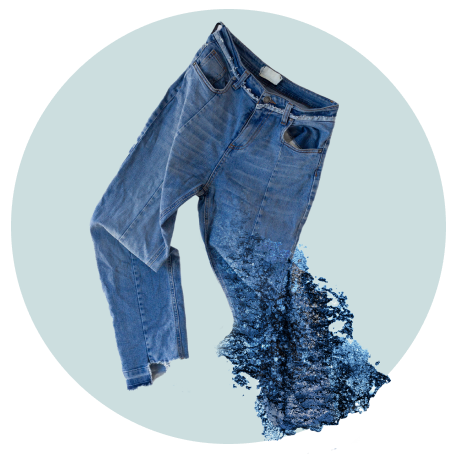
This image was created with ChatGPT
Most people donate clothing with good intentions.
A shirt dropped into a donation bin feels like it is getting a second life. Consumers want to keep textiles out of landfill. Communities want responsible solutions. Brands want to support sustainability goals.
And donation still matters.
Reuse extends the life of garments and keeps valuable materials in circulation. However, the reality is more complicated than many people realize.
Today’s textile recovery system was never designed to handle the sheer volume of clothing being discarded.
As a result, textiles that cannot be reused are often exported, downcycled, combusted for energy, or eventually landfilled. That is not because people are doing the wrong thing. It is because the system is struggling to keep pace with modern consumption and material complexity.
Why Donation Alone Cannot Solve Textile Waste
Textile waste has grown dramatically over the last two decades. Fast fashion, shorter product lifecycles, and rising global fiber production have increased the amount of discarded clothing worldwide.
According to the U.S. Environmental Protection Agency (EPA), the United States generated approximately 17 million tons of textile waste in 2018. Most of that material ultimately ended up in landfill or was combusted for energy.
Globally, the scale is even larger. The Ellen MacArthur Foundation estimates that the equivalent of one garbage truck of textiles is landfilled or burned every second. At the same time, less than 1% of textiles are recycled into new clothing, highlighting how limited fiber-to-fiber recycling remains today.
Donation systems were built for reuse — not for managing massive amounts of blended, damaged, or lower-value textiles.
Where Donated Clothes Actually Go
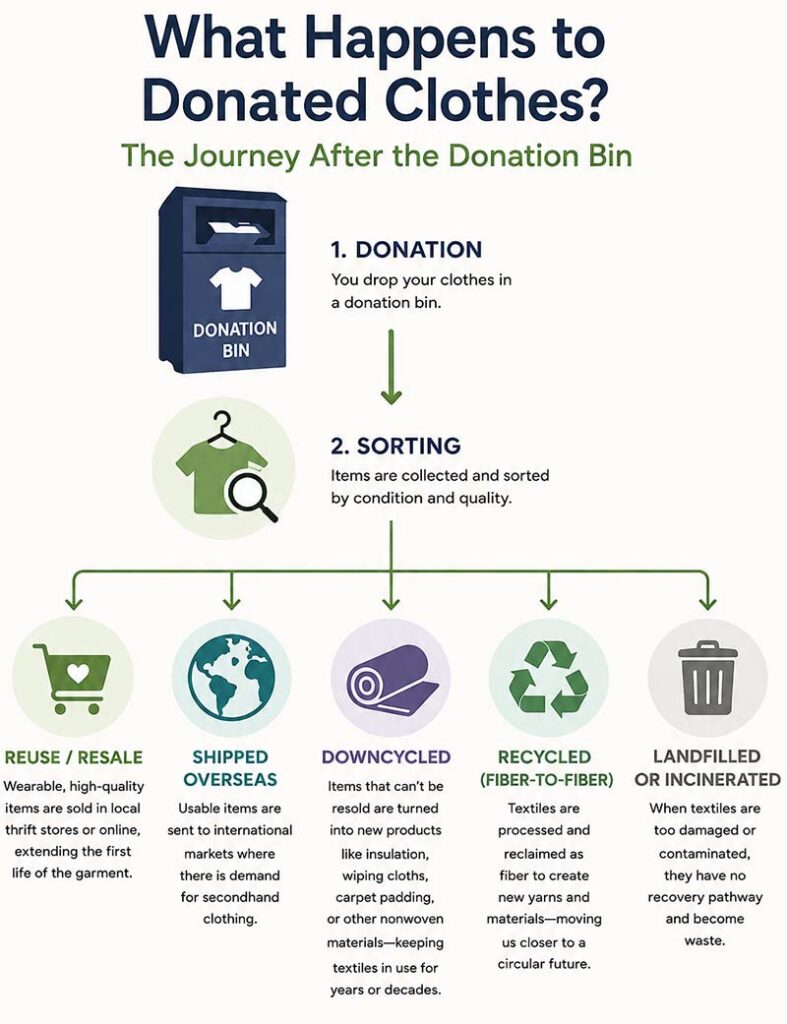
Some donated clothing is successfully resold through thrift stores and secondhand markets. Reuse remains one of the best ways to extend product life.
But resale systems cannot absorb everything.
According to EPA estimates, roughly two-thirds of textile waste in the United States is landfilled, while nearly one-fifth is combusted for energy recovery.
Historically, many used textiles have also been exported to secondary markets overseas. While some garments find a second life, increasing volumes and declining garment durability are putting pressure on these systems.
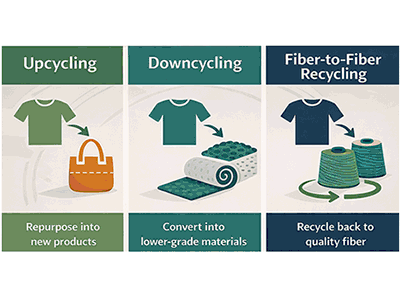
Materials that cannot be resold are often downcycled into products such as insulation, industrial wiping cloths, or stuffing. Others are discarded when no recovery pathway exists.
The challenge is not donation. The challenge is what happens after reuse is no longer possible.
Why Textile Recycling Matters
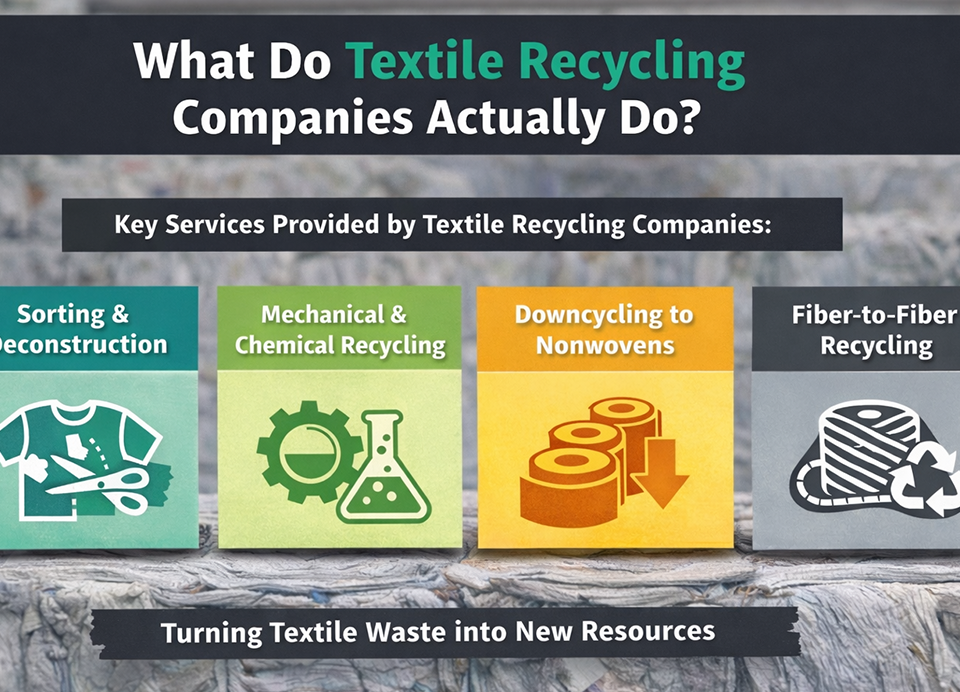
Textile recycling helps close the gap between reuse and disposal.
Instead of treating unwanted textiles as waste, recycling systems recover fiber and return materials to productive use.
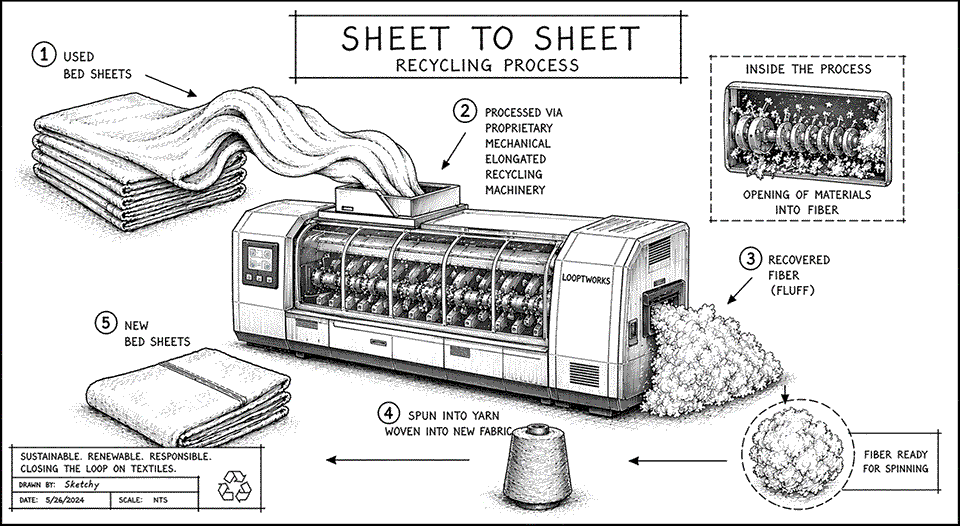
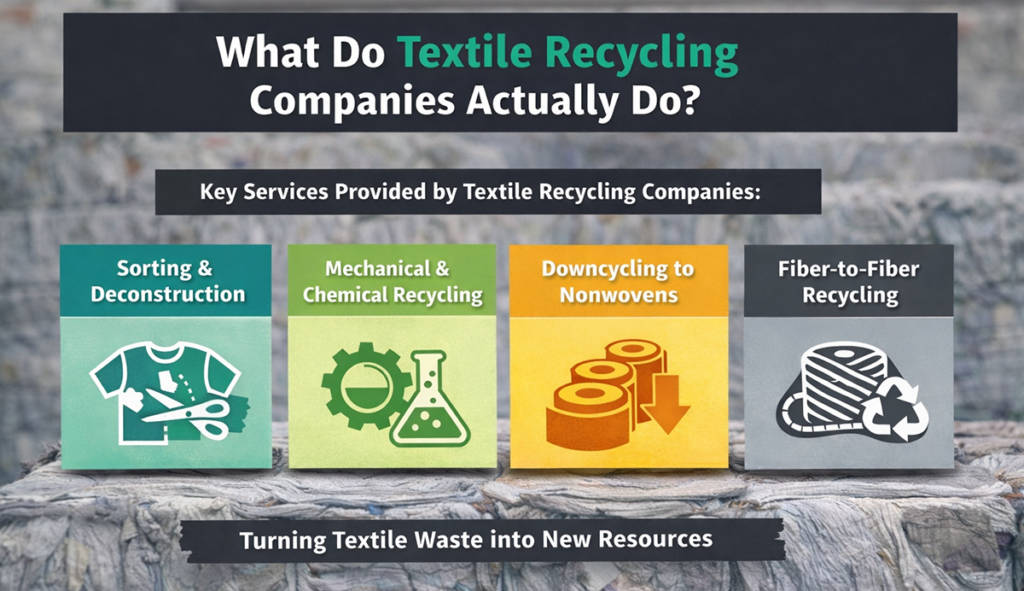
At Looptworks, pre- and post-consumer textiles are transformed into high-quality recycled fiber for yarn and nonwoven applications. Materials that might otherwise be discarded become useful raw material again.
As textile waste continues to grow, recovery systems must evolve alongside it.
That future depends on:
- scalable collection systems
- better sorting capabilities
- domestic recycling infrastructure
- fiber-to-fiber recycling
- stronger circular supply chains
How California’s SB-707 Is Changing the Industry
Policy is beginning to accelerate change.
In 2024, California passed SB-707, the Responsible Textile Recovery Act, creating the first statewide Extended Producer Responsibility (EPR) framework for textiles in the United States.
The law gradually shifts responsibility for end-of-life textile recovery to producers, including systems for collection, reuse, repair, and recycling.
This marks a major change.
For decades, textile waste was largely managed by consumers, charities, and municipalities. Now, responsibility is beginning to move upstream into supply chains.
And as accountability grows, recycling infrastructure becomes increasingly important.
A More Circular Future for Textiles
Importantly, this program does more than offer convenience—it creates motivation.
Customers who participate in the Sheet Swap program receive discounts or even free sheets, depending on availability.
As a result, textile recycling becomes both practical and rewarding.
This approach helps shift behavior at scale:
- It encourages participation
- It builds awareness
- It reinforces long-term habits
Sustainability works best when it aligns with everyday decisions.
Delivering Measurable Environmental Impact
Donation will continue to matter. Reuse will continue to matter.
But neither can solve textile waste alone.
The future also requires scalable recycling systems capable of recovering value from materials that cannot be resold.
At Looptworks, we believe the future of textile recovery starts where others end. By transforming discarded textiles into high-quality recycled fiber — Made in the USA — we help move materials back into circulation and reduce dependence on landfill.
Textiles are not simply waste. They are resources.
The challenge is significant. But so is the opportunity.
Ready to Build a More Circular Textile Future?
As textile recovery laws expand and supply chains evolve, scalable recycling solutions will become increasingly important.
Looptworks works with brands, manufacturers, retailers, and institutions to transform excess textiles into high-quality recycled fiber.
👉 Contact our team to explore circular textile solutions.
Share the Post:
Related Posts
Want to hear how upcycling or down-cycling can help your company in an interesting way?
Reach out to us today!