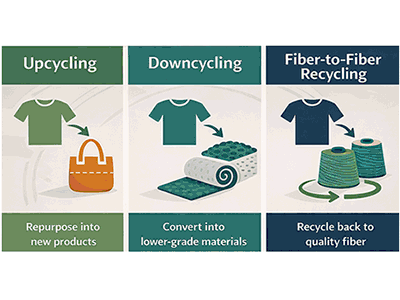

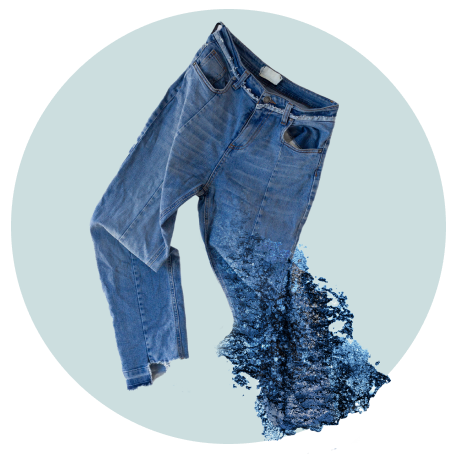
When we toss out a worn-out shirt or shredded towel, it doesn’t just vanish. At Looptworks, we believe it starts a new chapter. Downcycling transforms textiles that can’t become the same thing again into valuable resources for other uses. Think of it as a second life—even if it isn’t the one they were made for.
The linear model—take, make, toss—dominated textiles for decades. The circular model flips that script. It means we, together with manufacturers, brands, and consumers, aim to keep materials streaming back into production rather than sitting idle in landfills.
Downcycling steps in when items can’t be upcycled or converted back into garments. Perhaps the fibers are too short, blended beyond separation, or the material’s integrity has diminished. Instead of being wasted, those materials become insulation, industrial padding, filtration media, or other non-woven products.
In short: downcycling doesn’t mean failure. It means we value every fiber. We capture utility. We keep the loop turning.
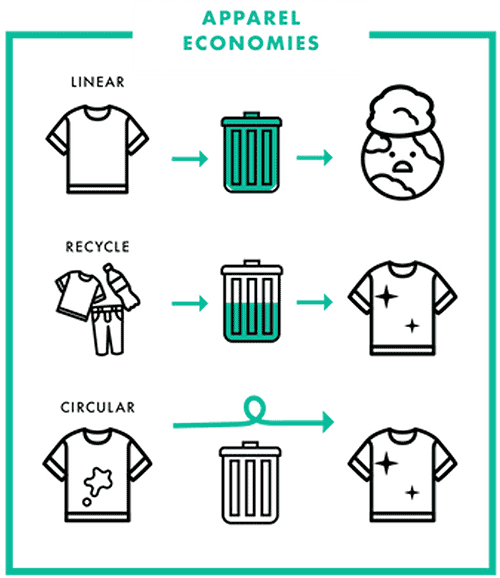
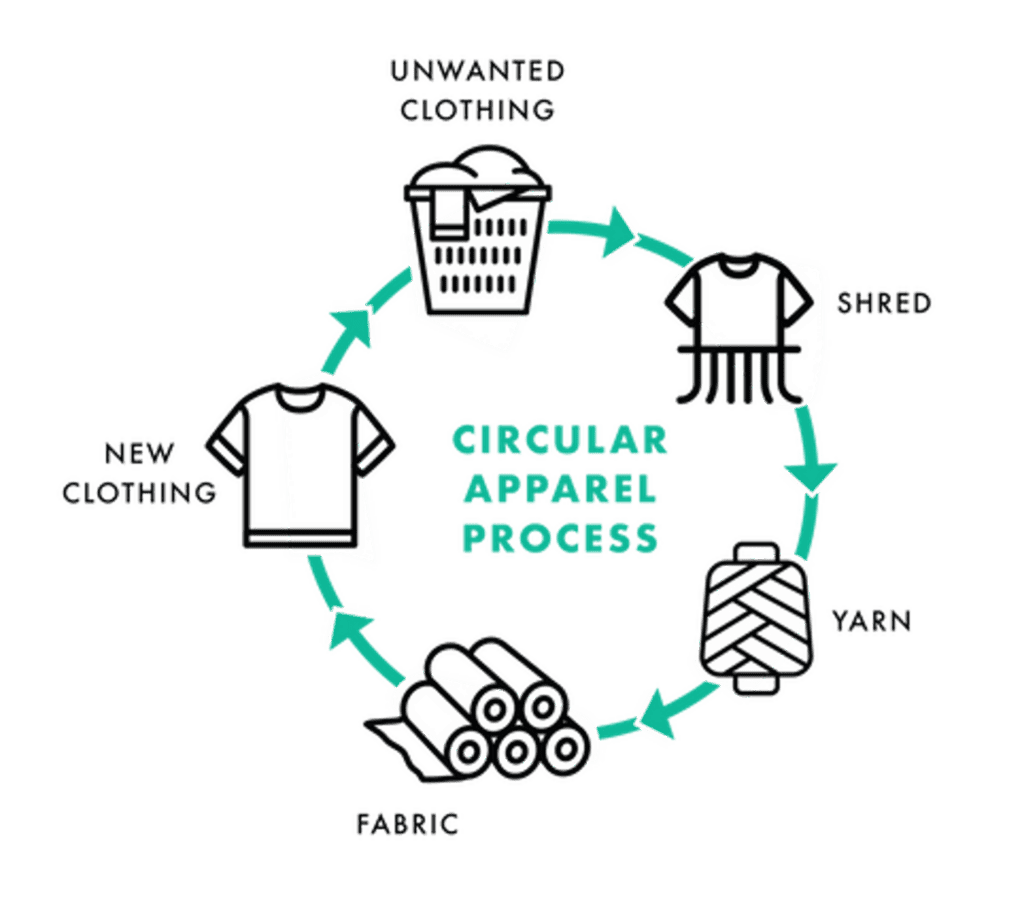
If we only focused on perfect recycling—turning used garments into identical new ones—we’d miss the vast majority of waste. Many textiles don’t meet that ideal. At Looptworks, we recognize scale comes from being realistic: using tools like downcycling alongside upcycling and fiber-to-fiber recycling.
Downcycling helps us handle excess, damaged, or end-of-life materials that would otherwise take up space in landfills. According to our work, the circular system gives those materials fresh value instead of letting them stagnate.
By diverting these resources, we reduce the demand for virgin fibers. That means less water, less energy, fewer emissions—all of which align with our B-Corp commitments and forward-thinking mission. It’s not just sustainable—it’s smart business.
And—it’s inclusive. Brands, mills, nonprofits, policy makers, everyday people—we all have a role. Downcycling invites everyone to participate in a circular future. If we embrace it together, we move closer to a system where materials aren’t disposable—they’re opportunities.
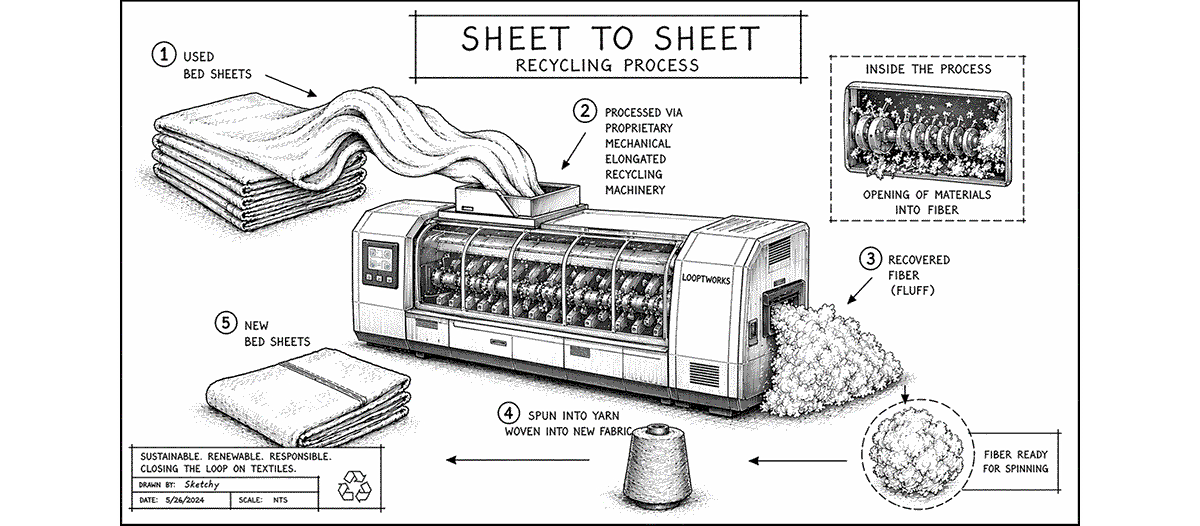
At Looptworks, we’ve built systems to collect, sort, and process textiles that no longer suit their original purpose. We transform them into raw inputs for industries beyond fashion—think non-woven markets, insulation, industrial components, and fluff for spinning mills.
Our approach starts with partnership. We receive excess or end-of-life textiles from brands, processors, and recyclers. Then we classify each batch based on fiber type, construction, contamination, and suitability. From there, we decide: Can this go back into yarn? Or is it downcycling territory?
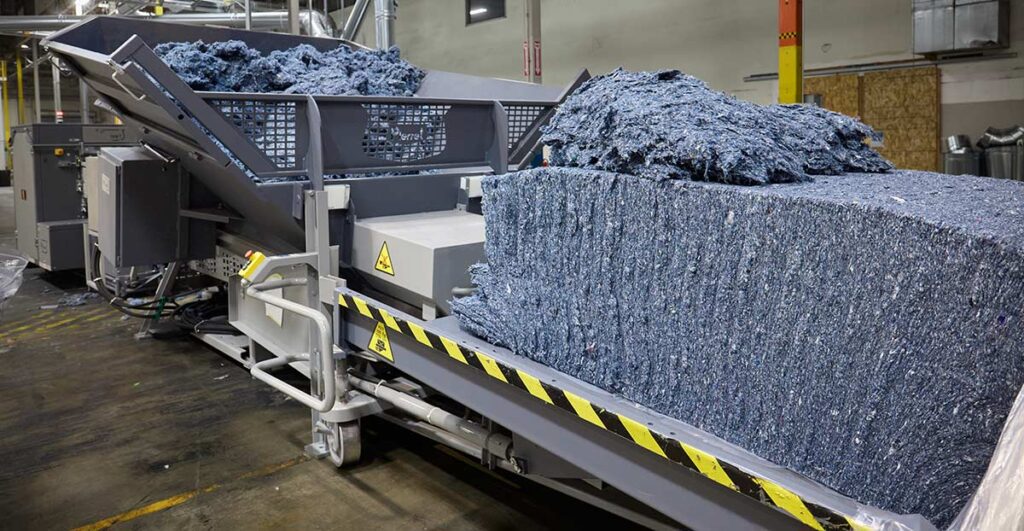
When downcycling is the right route, we shred, cleanse, and repurpose the material. It becomes high-value feedstock for non-woven manufacturers, offering durability, function, and a new purpose. No fluff—well, actual fluff.
We’re proud of how this works: we keep materials moving, not stagnant. We prevent value from being lost. And we do it in a way that’s scalable. Because circular systems demand scale, and downcycling gives us that scale.
Downcycling isn’t the endpoint—it’s a bridge toward better design and fully circular systems. As we look ahead, we ask: How can we design products so they easily move up or side-ways in value—not just down?
For brands, that means choosing mono-materials, avoiding complex blends, and working with supply chains that plan for end-of-life from day one. For us, it means improving our sorting, processing and downstream links so even “lowest value” textiles get a second life.
When we all act—brands, mills, recyclers, consumers—we weave a future where textiles don’t end as waste. They end as inputs. They end as new work. We’re not just recycling—we’re reinventing.
At Looptworks, we believe the loop is open for everyone. And we’re inviting you in.
Calling All Businesses with Excess Textiles If your business deals with excess textiles, our solutions team is eager to collaborate! Together, let’s weave a greener tapestry for generations to come.
We’d love to hear from you!
Scott is a visionary leader with more than 32 years of experience in strategic branding, innovative product creation, supply chain sustainability, and sales and marketing for global organizations. He founded Looptworks in 2009 as an industry solution for turning excess materials into upcycled consumer products. In 2022, Scott transitioned the company to a B2B business model focused on eliminating global textile waste through closed-loop solutions.
Scott is a visionary leader with more than 32 years of experience in strategic branding, innovative product creation, supply chain sustainability, and sales and marketing for global organizations. He founded Looptworks in 2009 as an industry solution for turning excess materials into upcycled consumer products. In 2022, Scott transitioned the company to a B2B business model focused on eliminating global textile waste through closed-loop solutions.