
We all imagined 2030 differently when we were kids. Some expected flying cars. Others thought we would live on Mars. However, the real change is happening in how we live — especially what we wear. Today, clothing choices matter more than ever for the health of our planet.
Here are seven predictions about where the apparel industry could be by 2030.
First, climate change is already shifting business priorities. Executives now take environmental risk seriously. In fact, ESG (Environmental, Social, Governance) goals top industry agendas. As a result, brands that ignore sustainability risk falling behind.
Therefore, the sustainable fashion market has strong growth ahead. Experts project this sector could grow from about $7.8 billion to over $33 billion by 2030. This rise will come from consumer demand and stronger regulations.
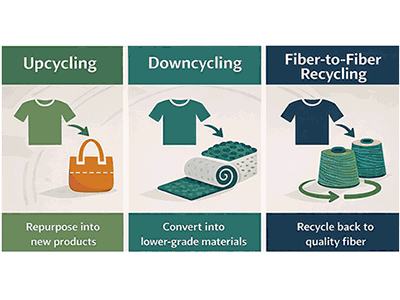
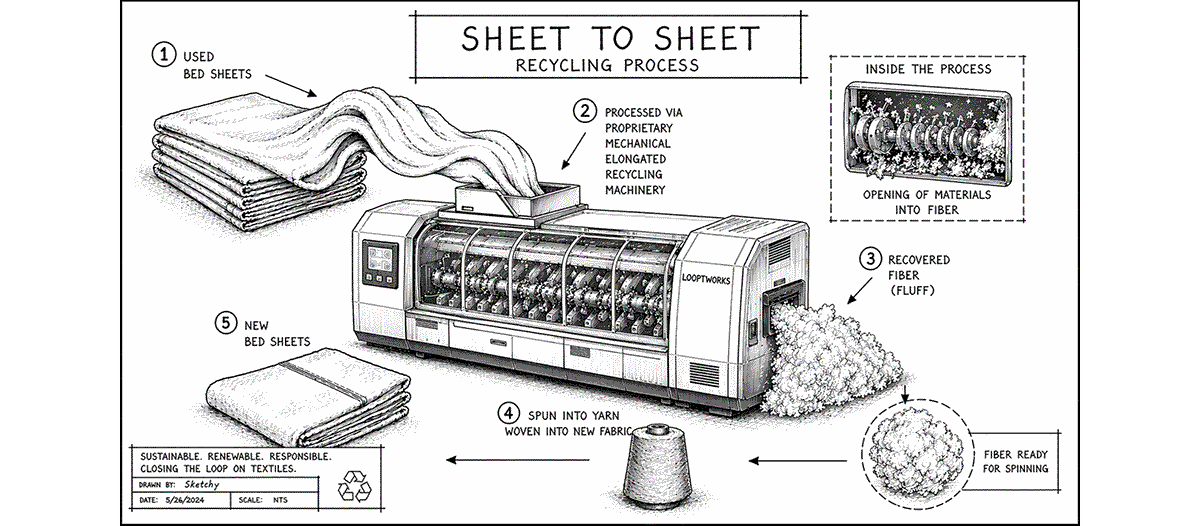
Next, fiber-to-fiber recycling will become more common. This process reuses old textiles and turns them into new fiber. Because of growing demand and better technology, this market could create approximately $1.5 billion in annual value.
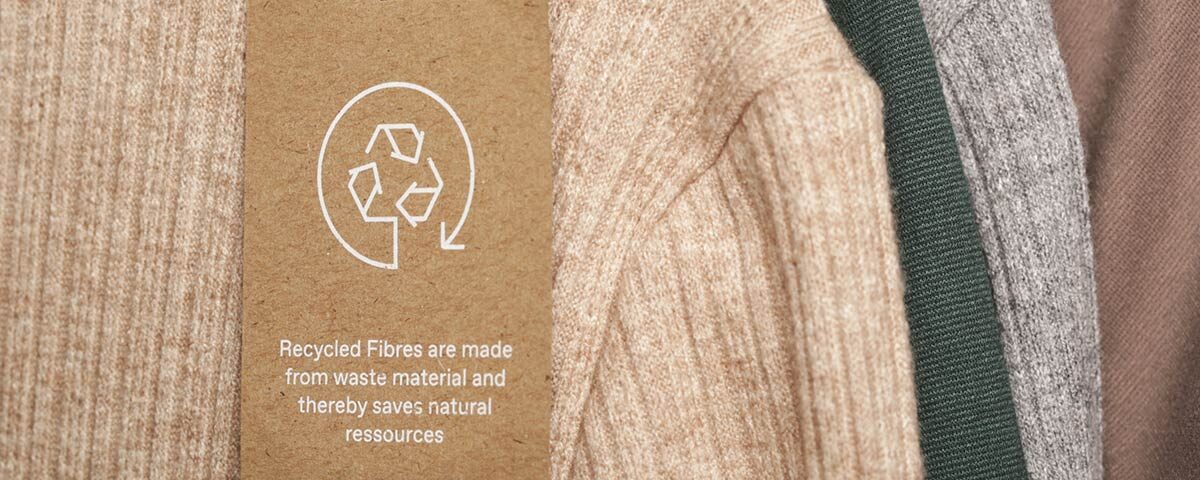
Moreover, global projections show the broader textile recycling market expanding significantly by 2030. Cotton will lead this growth, and mechanical recycling will outpace chemical recycling.
Also, product design will change. Brands will make clothing that lasts longer. They will also design items so they can be easily repaired, reused, or recycled. In other words, products won’t just be made to sell — they will be made to stay in use.
For example, brands may focus more on resale, rental, or repair programs. These models reduce waste and extend product life. Therefore, circularity won’t be a trend. It will become the industry standard.
In addition, the apparel industry is expected to improve conditions for workers. Lawmakers and advocates are already pushing new policies aimed at better wages and safer workplaces. If these proposals pass, they could shape labor standards industry-wide.
Consequently, brands may have stronger incentives to ensure fairness throughout their supply chains. As awareness increases, both companies and consumers will prioritize ethical production.
Furthermore, sourcing will transform. Brands will reduce their use of harmful materials like fossil fuel-based synthetics. Instead, they will adopt recycled or regenerative alternatives. By 2030, these choices could become mainstream.
For instance, leather alternatives made from plants — like cactus or apples — will become more affordable and more common. Therefore, the environmental impact from raw materials could decrease significantly.
Meanwhile, expectations for clear sustainability claims will grow. Today, many companies make vague or misleading statements. However, stricter guidelines and rules will create more accountability. Consequently, consumers can trust brands that genuinely deliver positive impact.
Finally, transparency will go digital. New tools will help shoppers learn more about product history and impact. For instance, digital product passports could show a garment’s full lifecycle — from sourcing to end-of-life care. These technologies empower buyers to make smarter choices.
Research shows a promising future for fashion by 2030. Still, achieving these goals will require lots of collaboration. Brands, recyclers, policymakers, innovators, and consumers must work together.
At Looptworks, we’re ready to help with fiber-to-fiber recycling and circular solutions that strengthen industry impact and reduce waste. Contact us to learn how we can work together in the transition toward a truly circular apparel system.
We’d love to hear from you!
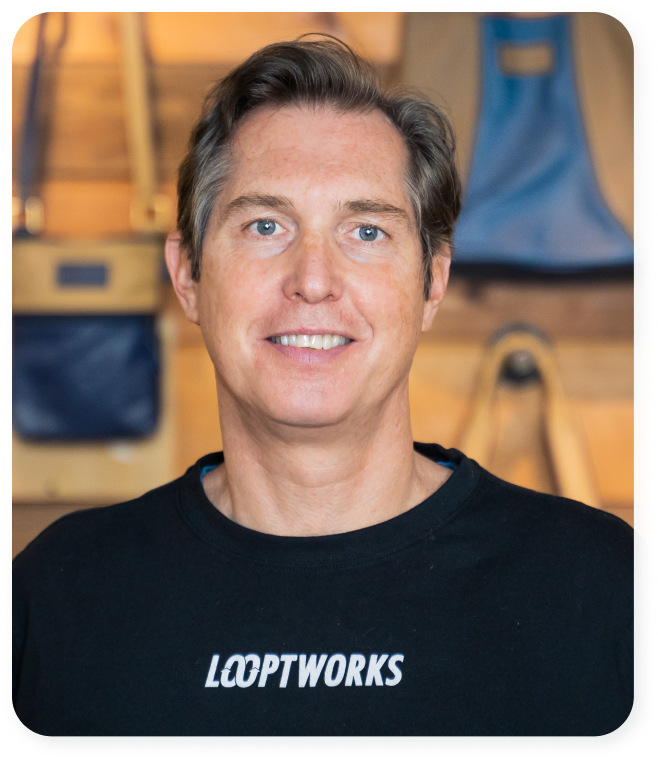
Scott is a visionary leader with more than 32 years of experience in strategic branding, innovative product creation, supply chain sustainability, and sales and marketing for global organizations. He founded Looptworks in 2009 as an industry solution for turning excess materials into upcycled consumer products. In 2022, Scott transitioned the company to a B2B business model focused on eliminating global textile waste through closed-loop solutions.
Scott is a visionary leader with more than 32 years of experience in strategic branding, innovative product creation, supply chain sustainability, and sales and marketing for global organizations. He founded Looptworks in 2009 as an industry solution for turning excess materials into upcycled consumer products. In 2022, Scott transitioned the company to a B2B business model focused on eliminating global textile waste through closed-loop solutions.